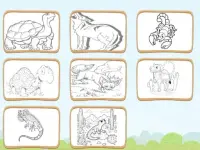
Firstly, consider the level of detail in the coloring tasks. Some games offer simple line art with basic shapes, making them ideal for quick play sessions or as a calming activity during breaks. Others may present more complex illustrations with intricate patterns and multiple layers, which require patience and focus to complete accurately. Choose based on how much time you have and whether you prefer straightforward or challenging tasks.
Secondly, notice the variety of tools available in each game. Some coloring games allow you to choose from a wide palette of colors, while others might limit your choices to specific shades or gradients. Additionally, some games include special effects like blending modes or brush textures that can enhance your coloring experience. Experiment with different tools and settings to find what best suits your preferences.
Lastly, think about the scoring system if one is present. Some games may reward you for staying within lines, using certain colors in specific areas, or completing sections quickly. Others might not have a score at all, focusing solely on the enjoyment of coloring itself. Pay attention to any cues provided by the game regarding how your actions affect your score and adjust your strategy accordingly.
By considering these factors, you can choose a "Coloring" game that aligns with your interests and provides an enjoyable experience. Try selecting a game based on its level of detail and tool options for a more personalized coloring adventure.
Moreover, pay attention to the type of content in the coloring games. Some focus on classic themes like flowers, animals, or nature scenes, which can be particularly soothing and familiar. Others might offer modern designs such as geometric patterns or abstract art, providing a fresh and creative challenge. If you're looking for something that reflects your personal interests, opt for games with content related to hobbies or fields you enjoy.
Additionally, some coloring games include interactive elements beyond just the basic coloring task. For example, certain games may allow you to customize your own designs by adding text or shapes, creating a personalized project. Others might incorporate puzzles where completing parts of an image reveals hidden pictures or stories. These added features can make the experience more dynamic and engaging, offering a break from traditional coloring tasks while still allowing for creative expression.