Matching Games
Check what makes two pieces belong together
Matching games can look alike until you see what the game accepts as a match. In one puzzle, two pictures belong together because they represent the same kind of object. On another board, monsters can join a chain because their numbers differ by one. A seasonal tile puzzle gives you pictures to recognize and spaces to check before you connect them. Begin by reading the rule the individual game gives you. Then make one short move and watch the result. The match you can explain is a better starting point than a group that only looks similar at first glance.
Use the category to test the pictures you are unsure about
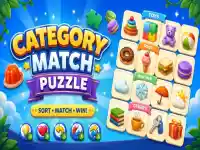
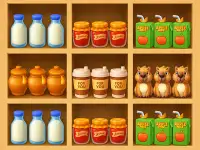
Category Match Puzzle asks you to sort pictures into groups such as food and toys. Choose an item that clearly belongs to one group. Then compare a less obvious picture with the one you just placed. Think about what the two have in common, rather than looking for the same color or shape. If an object seems to fit in more than one place, look at the other pictures the board gives you before settling on an answer. Another item may make the intended group clearer. As each category fills, spend a moment checking what kinds of objects remain. Their differences can give you a clue about how to finish the board.
Read the numbers along a chain before completing it
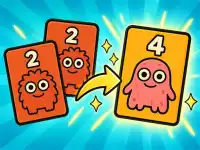
In Boo Chains, Halloween monsters can link when their numbers match or differ by one. Pick a starting monster and trace a few steps with your eyes before committing. A nearby match may finish a short chain immediately, while following a number one higher or lower could let you reach another part of the board. The game gives longer chains special effects, including pumpkins and lightning. Watch which parts of the layout change when you get one of those results. Before starting another chain, check the area it opened. You may now have a route you could not see when the board was full.
Check the spaces around a seasonal pair
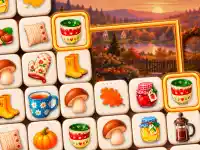
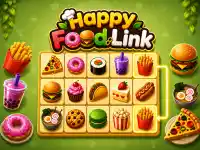
Autumn Cottage Connect uses colorful seasonal tiles in a connection puzzle. When you see two matching pieces, look beyond the images and check how they sit among their neighbors. If one possible pair is difficult to reach, you can work on a clearer part of the board and come back to it. After removing a pair, look at the space where the tiles were and see which remaining pieces it makes easier to connect. Following one corner through several moves can help you distinguish useful openings without having to examine the entire layout after every match.
Try changing games once you know which rule you enjoy. A category puzzle rewards knowing what objects have in common. A numbered chain lets you work with small differences. A connection board asks you to account for the space between two familiar pictures. Carry one useful observation into the next round and see whether it helps you recognize the first match sooner.