Puzzle Games
Find a puzzle you can read from its starting position
A puzzle can offer a whole plan in one picture or make you uncover it one move at a time. The useful question at the beginning is what kind of information the game gives you. A floating route shows you which platforms are available. A matching board shows you several groups that could change. A sorting puzzle gives you pieces whose colors matter more than their original positions. Look at the layout before touching anything and identify one feature that can guide your first move. You will have something to compare when the screen changes.
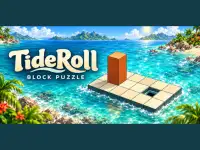
Plan how to reach the portal standing upright
Astro Block lets you roll a glowing block across floating platforms. See which part of the route gives the block room to rest on its side, then check where it can stand. When you spot a switch, consider how you can reach it and where you will end up after using it. A bridge can give you a new path while leaving you in the wrong orientation to take it directly. Look for a wider platform where you can adjust the position before you reach the narrow part. That can make the last approach easier to understand when you get close to the portal.
Compare matching moves by the part of the board they affect
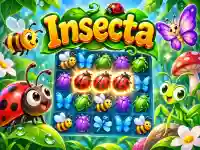
In Insecta, the pieces in a three-in-a-row puzzle are drawn as bugs and other small creatures. When two matches are visible, look at what each one changes nearby. One may clear a part of the board that has been hard to reach. Another may give you new neighbors for a group you have been trying to complete. Use the stage objective to decide where you want a change to happen. If the board feels busy, choose one kind of piece to follow and look at how it moves after the next match. A few observations like that can make later combinations easier to spot.
Sort one color without losing track of the others
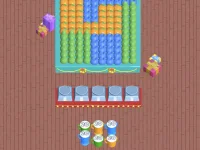
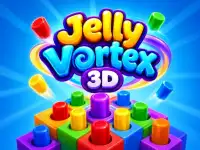
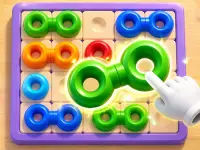
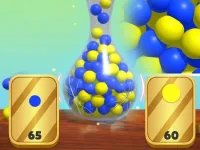
Jelly Vortex 3D gives you jelly pieces to sort by color. Find a color whose pieces you can recognize immediately, but check the surroundings before moving it. A move that brings two pieces closer may also take up space you wanted for another group. Try to explain what you want your next move to achieve before committing to the first one. If you find a position with room to work, remember how you made it. That can help when a later level gives you a more crowded arrangement.
Choose a puzzle you can spend time looking at, even if you only have a few minutes to make moves. A block route can be satisfying when you discover the turn that lines up the finish. A matching board can give you a small win when you open one stubborn area. A sorting game can reward the order that keeps another choice available. On a repeat attempt, return to the point where your options changed and see what a different decision does to the rest of the level.