






























Browser games for a quick race or a longer challenge
Pick a game on Pokio according to the time you have and the kind of challenge you want. If you have a few minutes, a short race gives you a result you can try to beat the next time you visit. If you have room for a longer session, choose a game that lets you learn a course or work through several stages. A satisfying session might end with a win, a clean parking attempt, or the discovery that one corner goes much better when you approach it from a different angle.
Start in Racing Games if you want to compare speed, steering, and timing challenges in one place. Pick a title that looks interesting, read any controls shown on its page or start screen, and spend the opening attempt learning one part of the game. You can always return to the collection when you want a different pace. A short run can tell you whether the challenge is negotiating traffic, reacting to other racers, or keeping control while the course gets busier.
Make the first race a practice run
On an unfamiliar track, choose a corner or obstacle you can recognize the next time around. Notice what happens just before you reach it. If your car consistently runs too wide, try easing off while you still have space to turn. If you exit slowly, look at where the car is pointing when you begin to accelerate. Changing one thing at a time gives you a clearer sense of what helped, even when the overall race result stays the same.
When another racer is ahead, give yourself room to see what is coming. Following a rival through a bend can help you learn a route, and leaving a gap makes it easier to react if they slow down. After you can get through that stretch comfortably, look for a place where you can carry more speed. It might be a long bend with a clear exit, or it might be the straight section after a tight corner where a better approach leaves you more room to accelerate.
Change the goal when you change games
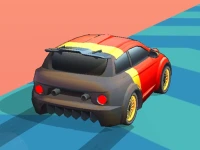
In Gear Race 3D, pay attention to the cue for a gear change. Give yourself a run to get familiar with the timing and use the next one to see whether you can repeat it. A single mistimed shift is easier to learn from when you can remember what you were watching at the time. Try looking where you expect the cue to appear before the moment arrives, so you have less information to take in all at once.
In Apex Sports Parking Mega Drive, try to make the last movement into the bay feel uneventful. Set up the angle while you have room, then use smaller corrections as you get closer. If you need several attempts, focus on where you started turning and how much space you left beside the car. That gives you a concrete adjustment to try the next time you approach a similar space.
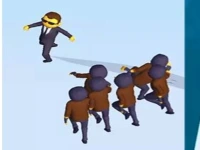
Open Funny Shortcut Race 3D when you want a race built around choosing a route. On the first attempt, follow enough of the course to get a sense of where it leads. On another, look for the part of a detour that will decide whether it was worth taking. The entry might be easy while the exit puts you in an awkward position. Comparing those two moments helps you judge the whole shortcut and decide when to go for it again.
Find a challenge that fits your device
A game feels different when your hands have to cover part of the screen or move between keys. Give the controls a few seconds before deciding how hard the level is. On a keyboard, work out which controls you need to use together. On a touchscreen, try a gentle movement first and see how the game responds to a short tap or a held press. If you are choosing a game for a quick break, pick one whose controls feel comfortable early in the session.
If you like Poki-style browser games with short rounds and clear goals, look beyond the racing shelf too. The action games collection gives you a place to look when you want more movement and faster reactions. Browse puzzle games when you want time to plan your next move. After several attempts at a tricky race, switching to a puzzle can be a good way to keep playing while giving your timing and reflexes a break.
Give yourself something to come back for
Visit New Games when you want to try a title without a previous score in mind. Pick something that catches your eye and decide what a good first attempt would look like. Early progress could mean reaching the second stage, finishing a run without a collision, or understanding which moves the game gives you. Keeping that first goal small leaves you space to notice what the game does well and what you would want to practice if you come back.
When you return to a favorite, bring one precise goal from your last run. You might want to take a familiar turn with fewer corrections, check whether a wider approach helps you park, or stay close enough to see how a rival handles the last stretch. A precise goal is easy to remember and gives your next attempt a purpose even if you only have time for one more round. When you get it right, take a moment to notice what you did differently. That detail is what you can carry into the next run, whether you stick with the same game or pick another one from the homepage.
Keep track of the games you want to revisit by saving their page addresses in your browser. A bookmark is particularly handy after you find a course you like through search, since you can return to that page without remembering its exact title later.


