Fighting Games
Pick a fighting game by the decisions between moves
Some games in this collection ask when you want to commit to a single motion. Others make you choose what to improve while the round keeps going. Others put you in charge of a group and ask how you want to use limited resources. These formats put pressure on different parts of your attention. Before you start, look at whether the game controls one character, moves through a course, or lets you deploy units. The format tells you more about what you will be doing than the artwork alone.
Notice where a move ends
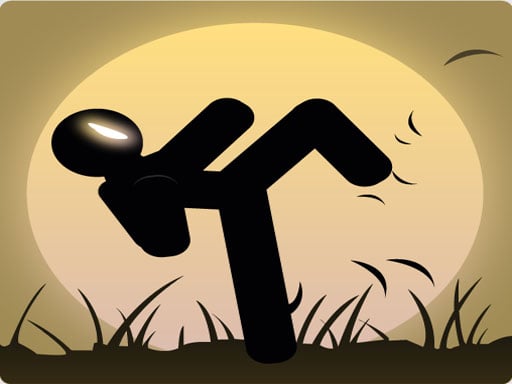
In Dash & Slash, a stick figure dashes in the direction you choose. Try thinking about the end of the dash before deciding which way to go. If you finish beside the edge of the playable area, there may be fewer directions for the following move. An open landing leaves more time to read the next part of the screen. Spend an attempt watching how far a dash carries the character, then make that distance part of your next decision.
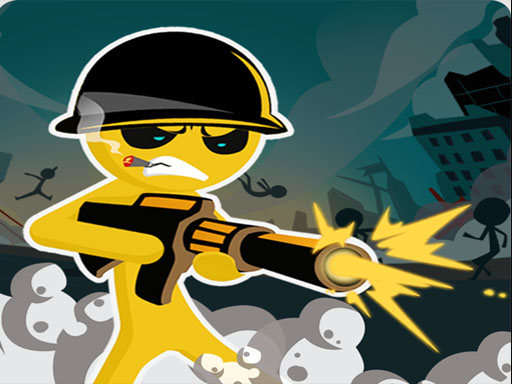
Gun Strike Runner combines a course with weapon evolution. Watch for the choices the game offers as you move through the level. A short course can be a useful place to learn when a change happens and which obstacle follows it. On your first run, pay attention to a single upgrade and where you reach it. On the next attempt, see whether a different path changes the options you have by the time you arrive at the same part of the course.
Read a battle that unfolds without direct steering
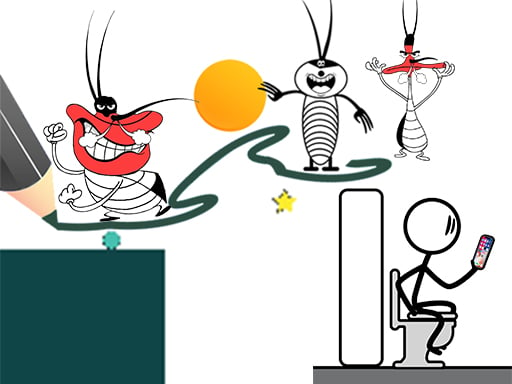
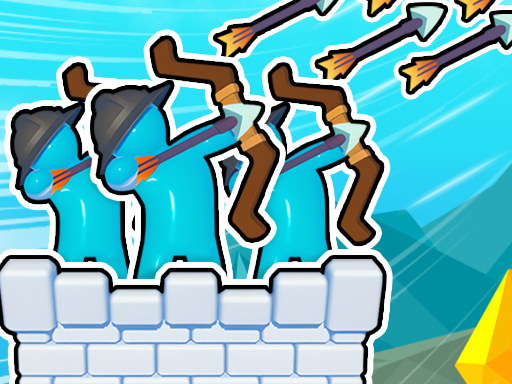
Paper Stick Figures is presented as a tower defense battle on a notebook page. You place units while the battle moves forward. Try following one deployment from the moment you choose it to the place where it starts to affect the round. This helps you learn how long a decision takes to matter, especially if there are other units already moving across the screen. Once you know that timing, try changing the order of two deployments and watch what happens early in the next round.
When a round gets busy, decide which signal you want to learn first. A movement game may show its opening with a clear change in distance. A course may give you a sign that an upgrade is coming up. A deployment game may make the important signal the moment you have enough resources to make another choice. Learning one of those signals before you try to use all of them gives you a more manageable way into the game.
When you want more games with similar characters, browse Stickman Games. Pay attention to the instructions on the first screen, since a familiar character style can appear in a game with completely different controls. If you find a title that makes you think about where a move ends or when a choice pays off, give it a few rounds to see how much the rules let you change your approach.