Bejeweled Games
Make matches that leave a useful board behind
The Bejeweled Games collection brings together color and shape matching. Start by looking at how a game lets you form a group. A board may give you pieces to swap, while a moving game may ask you to collect a color in the right order. A match clears something from the screen and creates a new situation. The most interesting decision often comes from trying to picture that next situation before you use the match you can already see on the board.
Think about what a swap changes nearby
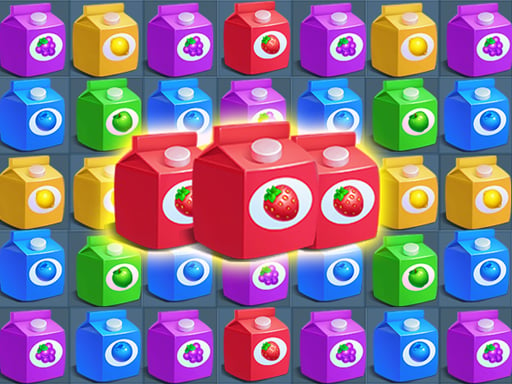
In Fruits Juice Crush, you swipe to match three or more fruit juices of the same color. Look for the colors that sit within one move of forming a group. If you see two possibilities, check which part of the board each of them would change. Clearing an awkward corner can make more options available there, while an easier match in the middle may bring new pieces into a busier area. Let the objective guide the choice when the game asks for a particular result.
Keep your view broad enough to see what is near the target. A row can look promising until you realize another move would take away the piece you need. If you cannot see the next move clearly, check whether one available match can preserve the color you are trying to collect. This gives you a reason to choose between matches that initially look equal. Practice on a board with time to look around before deciding how quickly you want to play.
Match colors on something that moves
Combo Snake changes the shape of the problem. You steer a snake to collect gems that add colored nodes to its body. The order in which the gems appear and the path you can take both matter. Look at which gem you want next and which turns you would need to reach it. A route that looks short may leave you facing away from another useful gem. Try remembering how your previous pickup affected the color sequence so that the next one is part of a decision you can follow.
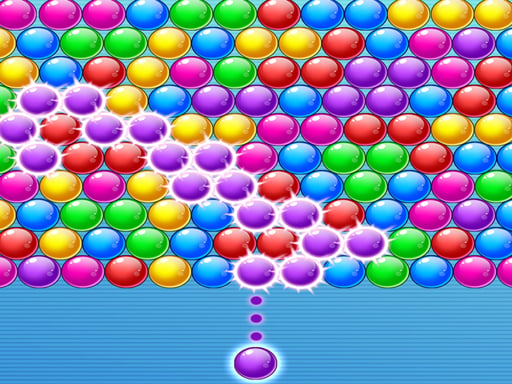
Open Bejeweled Classic for another title in the collection. Compare the instructions on its opening screen with the color rules you just tried. A familiar looking board is a good opportunity to see which parts of your approach transfer across games. You might be good at finding a match immediately but want to improve at choosing the one that makes a later move easier.
If you prefer a different puzzle rule after a few rounds, move to Puzzle Games to look for layouts based on connections, shape placement or timing. Remember the part of matching you enjoyed most. It might have been spotting an open group, making space in one part of the board, or choosing a route that collected colors in a useful order. That preference gives you a starting point when you choose a puzzle with a different look.