2 Player Games
Find a contest with room for a rematch
Choose a game that gives both people something interesting to learn between rounds. A volleyball point can be short enough to try a new timing immediately. Drifting turns a chase into a choice about where to point the car after a slide. A geometric course puts your attention on the shape of the next obstacle. These games create different kinds of competition, so check the individual instructions for available modes and controls. If both people are new to the game, spend an opening round discovering what they can do before setting a target for the match.
Practice the moment before contact on the court
Volley Clash offers local two-player matches as well as an option to play against the AI. Try a few rallies with a friend while watching when each character leaves the ground. A jump that starts early may put you in a different place by the time the ball arrives. If both people keep missing the same kind of return, play another point with the intention of seeing where the ball is when you begin to move. Once you start making contact more consistently, experiment with where the return goes. Look at how much time the other player has to react rather than judging every shot by whether it scores immediately.
Think about where the car will face after a turn
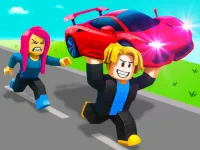
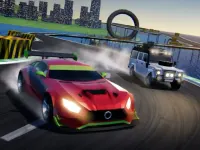
Noob vs Pro: Drift Tag gives the vehicle chase a particular goal. The car carrying the bomb tries to pass it to another car. Look at the direction you want to be facing after the next turn. Going straight at a rival leaves fewer choices if they turn away, while using the space beside them can give you a way to respond. Give yourself a round to see where a slide carries the car before trying to predict every move the other driver makes. It becomes easier to read a change in direction when you already know how far your own car needs to turn.
Compare how you read a course in depth
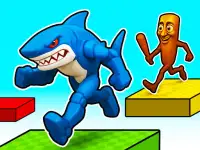
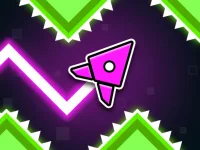
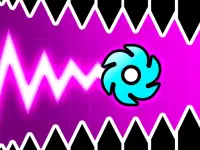
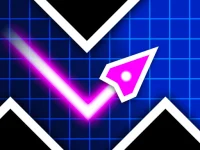
In Geometry Vibes 3D, the familiar geometric stages are presented in three dimensions. Look for a clear edge on an obstacle and track how it approaches. On a fresh course, one player may notice the shape of the obstacle first while the other notices the gap beside it. Compare those observations if you are both losing attempts near the same place. A cue that works for someone else can make sense once you see what they are watching. Check the game's mode prompts before deciding how you want to play the course together.
If you have time for only one game, choose by the kind of decision you would both enjoy repeating. You could tune the timing of a jump on a volleyball court, practice getting out of a slide, or work out how to see an obstacle sooner. Use the next round to test a change you can describe. The game is easier to return to when both players have an idea of what they would like to try.