2048 Games
Keep equal numbers within reach of one another
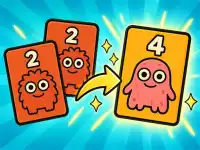
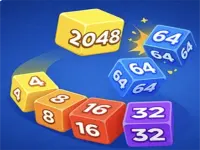
Games under the 2048 tag share the idea that two matching values can become something bigger, but they do not all let you bring those values together in the same way. One puzzle asks you to swipe tiles. Another lets you choose a lane before dropping a cube. A solitaire-inspired game puts the numbers on cards. Start with a modest goal, such as setting up a second merge before making the first one. That gives you a reason to look at the space you will have afterward, even when the immediate combination already looks appealing.
Check what else a swipe will move
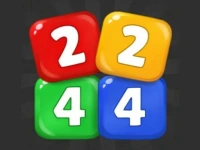
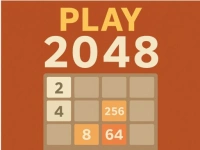
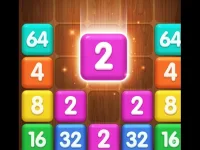
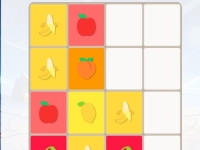
2244 Number Match has you swipe and merge identical number tiles. Choose a direction by looking at more than the pair you want to combine. A swipe can bring one match together while moving another useful tile away from its partner. Compare two possible directions and ask which one leaves you with a choice afterward. It can help to keep larger values in a part of the board you can recognize and use the other side to arrange smaller numbers. When the layout starts to crowd, look for a move that gives you more working space rather than judging it only by the value it produces.
Keep the tops of the five lanes in view
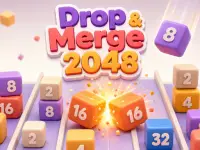
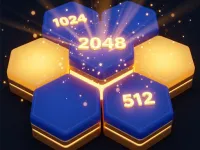
In Drop & Merge 2048, you move each incoming cube across five lanes and choose where to drop it. Look for an equal number that is still accessible from above. If you cannot make a merge immediately, choose a lane where the cube can remain useful. Placing it on top of a number you want to reach again can make the next drop awkward. After you combine two cubes, check how the new value fits beside the other lanes. A lane that was convenient at the start can become difficult to use once it grows taller than its neighbors. Give yourself a place to put an unexpected number without covering the pair you were working toward.
Read the cards before committing to a merge
Merge Royale 2048 combines solitaire-style choices with number merging. Spend the opening finding out which cards are available to use and what changes after the game accepts a move. If a matching value is visible, think about whether you want to use it now or keep it within reach of another card. The rules on the first board show you what an open position is worth. Try following the result of one merge through to the next available choice before trying to plan the whole board. That is an easier way to see how a card layout differs from a grid that moves together.
Switch formats when the part you want to practice changes. A swipe puzzle rewards checking several lines at once. A falling cube makes you choose where it belongs before you drop it. A card board gives you a reason to pay attention to what remains available. In each one, the move after a merge is worth looking at before you commit.