Action Games
Manage a busy arena or race the clock
Some games in the Action tag give you a single job to do under pressure. Others ask you to prepare before the action starts. Three listings illustrate the difference: Bone Crypt sends waves of skeletons into a graveyard, Flying Ants Quest times your trips back to an anthill, and Mech Arena Robots War lets you assemble a squad of mechanical dinosaurs. To pick a game, consider where you want to make the important decisions: in the middle of a wave, on the way back with a crumb, or before your squad enters a match.
Watch what happens at the edge of a wave
In Bone Crypt, you can use sword combinations, dodge rolls and a whirlwind move against waves of skeletons. Play the opening long enough to see where a dodge leaves your character. If you always roll as far as you can, you may spend the next moment getting back into reach. If you stay too close, you may have little room to read the following wave. Try a bout in which your only aim is to finish each roll somewhere useful. Once you can tell where you will end up, spend more time looking at how the skeletons spread across the arena. That will help you decide when a single move is enough and when several enemies are close enough to make the whirlwind worth using.
Make the return trip part of the plan
Flying Ants Quest has you carry crumbs to the anthill one at a time while the clock runs. Look for a landmark near the entrance before setting out. A crumb in open view can lure you farther away than you expected, so check what the trip back would involve before committing. On an early attempt, try taking a nearby crumb and following the same route home. That gives you an idea of how much time one delivery takes. If you later find two crumbs in different directions, you can compare their round trips rather than picking whichever one you spotted first.
Change one squad choice at a time
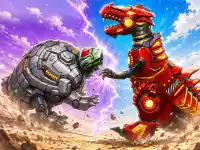
In Mech Arena Robots War, collecting mechanical dinosaurs and building squads are part of the game. Use a match to learn what your current lineup does before you replace several pieces at once. Notice which machines you understand well enough to recognize when they are doing what you expected. If you want to try a different one, keep the rest of the lineup familiar for the next match. That makes it easier to see which differences came from the new machine and which came from the match itself.
Choose a short target for the game you open. You might want to get through a wave with more room to move, deliver a crumb without having to search for the entrance, or see how a new machine fits a lineup. The results answer different questions. If you decide to play again, use the part that caught your attention to set up another attempt rather than starting the round with the same plan by default.