Adventure Games
Learn a route by getting to know its stops
An adventure can start with a simple job that gives you a reason to travel. On this page, you can set out in a garbage truck, find an island nest, or pull a bus into a bay to collect passengers. Each game gives you a different way to read a place. A busy street asks you to notice where to stop. A voyage asks you to think about the trip home before you leave. Pick the job that sounds interesting and let the first destination teach you something about the route.
Use the cleanup route to learn a neighborhood
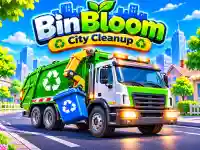
BinBloom: City Cleanup puts you in a garbage truck on colorful city streets. When you first drive into a neighborhood, look at where the truck has room to turn and which landmarks help you recognize an intersection. The scenery can be more useful once you associate it with a task. For example, when you see a place that lets you straighten the truck before the next stop, use it as a reference. On a repeat trip, spend less time looking for that turn and more time judging how you want to approach it. A route with a familiar opening gives you room to notice details farther along.
Plan the delivery and the return as separate parts of a voyage
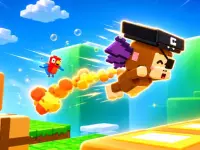
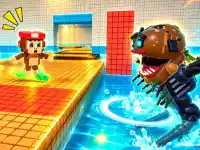
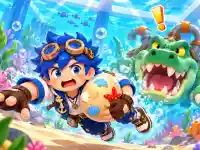
In Obby Sail for Egg, you sail from a harbor to islands where nests hold eggs. The listing describes rarer eggs farther from shore and a hunter ship to outrun on the way back. Make an early trip to learn the view from the boat. When you arrive, look back toward the water and check what will help you recognize the direction of the harbor. A valuable egg can make the outward trip easy to focus on, but you still need a route back. The first island gives you a chance to learn that part before you pick a more distant destination.
Think about where the passengers need the bus to stop
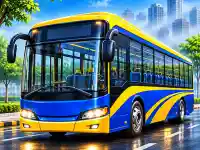
Bus Bay Rush 3D sends you through the city to pick up passengers waiting at stops. Look for the marked bay as you approach and decide where you want the bus to be when it slows down. An early adjustment can make it easier to drive alongside the curb rather than trying to straighten up once you are next to it. After arriving, watch the passengers board before moving on. That pause is also a chance to look at the next stretch of road and decide what landmark to watch for when you leave.
When you want to try a second game, carry over an observation from the first trip. Perhaps you found it easier to reach a bay after preparing for a turn, or easier to return to the harbor when you remembered the view from shore. See if the new route gives you a similar point to look out for. Adventures like these make familiar actions interesting by changing where they take you.