Battle Games
Choose the part of a battle you want to control
The games on this page give you very different things to look after. In one you steer a knight who is already bouncing. In another you guide a growing group down a road. A fantasy adventure puts you in a world where a banner and the people around it matter to the story. Choose by considering where you want to spend your attention. You might prefer to plan the next landing, work out which gate helps the group, or see how a journey develops once you are far enough from the opening scene.
Follow a bounce through to its landing
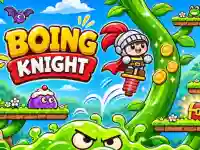
Boing Knight sends a knight up a beanstalk tower on a pogo stick. The character keeps jumping, so take a moment to see how far you can move sideways during a single bounce. Pick a platform that gives you space to land and look beyond it before making a sharp change in direction. If a section keeps sending you back down, watch where the knight starts the bounce that leads into it. The position you reach one move earlier can make a big difference. Once you find a steady approach, you can try climbing faster without having to guess how much room the next platform offers.
Compare gates using the group you have now
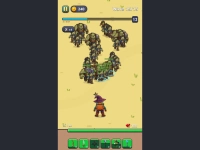
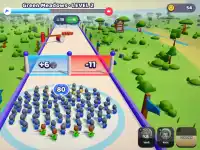
In Legiontide Army Runner, you steer a crowd along a road through gates that can add or multiply members. Look at the size of the group as you approach a choice. Adding a fixed number can make a noticeable difference early on, while multiplying may have a larger effect once the group has grown. Check where each gate leads before you change lanes. It is useful to see how a choice affects the group and whether you emerge in a position that makes the next choice easy to read. Try a different gate on another run and see when the two paths begin to feel different.
Give the fantasy setting time to explain itself
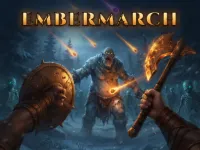
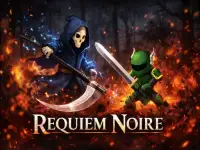
Embermarch opens in a dark fantasy world with an unending winter and a warband gathered around the Ember Banner. Look at what the opening tells you about the banner and the journey. When you reach an unfamiliar part of the world, choose one landmark that will help you recognize the way you came. If the game gives you several things to watch at once, use the objective to decide what to look at first. You can learn how the game presents a new encounter while still keeping track of where you want the party to go afterward.
Use a change of game when you want a different sort of pressure. The tower makes each landing count, the road offers choices that build on previous gates, and the fantasy setting gives you a journey to follow. After the opening, notice what you would like to understand better during the next round. It may be a move you only tried once or a decision that made the rest of the level feel easier to navigate.