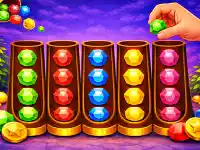
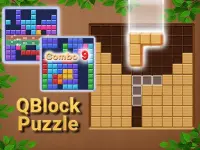
First, consider your preferred play style. Some games focus more on quick, strategic swaps to match three or more items, while others might involve more complex patterns or a higher number of matches required for clearance. Notice how quickly you need to make moves; some versions are timed, adding pressure, whereas others allow more relaxed gameplay.
Secondly, pay attention to the type of items used in each game. Stones and jewels are common, but some games might use animals, vegetables, or even numbers. The variety can affect your strategy—jewels that disappear when matched might force quicker decisions than those that remain on the board. Try playing a few rounds with different sets of items to see which suits your preference.
Lastly, consider the size and shape of the game board. Smaller boards may require simpler strategies but can be easier to navigate, while larger boards offer more complexity and potential for higher scores. Experimenting with both types can help you develop versatile skills across a range of games.
Thirdly, focus on using your available moves wisely. In some games, each swap is a precious move, so consider the long-term benefits before making a trade. For example, in a game where matching four jewels clears them and adds a new row to the board, you might want to set up a potential line of five by moving a single jewel out of position.
Fourthly, keep an eye on the corner areas of the board. Corners often act as bottlenecks, making it harder for pieces to swap freely. By focusing on clearing these spots, you can create more open space and opportunities for future matches. For instance, in a game where matching jewels in corners forces adjacent pieces to move, targeting these areas early can prevent them from becoming barriers later.
Fifthly, practice your ability to see multiple moves ahead. Some games require you to plan several swaps before making a move, especially when dealing with complex patterns or timed challenges. Try visualizing the outcomes of different sequences to maximize the number of matches and clearances in one turn. This skill can be particularly useful in games where each swap must lead to at least three matches to score points.