Bird Games
Climb with a bird or slow down with a matching puzzle
The Bird tag offers two very different ways to spend a break. You can follow a character upward through a course and react as new platforms appear. You can also sit with a board, remember where a crow appeared or look for identical tiles that are free to move. Choose the pace you want before you choose the artwork. A few minutes can be enough to practice a landing, complete a card grid or solve the section of a layered puzzle you have been thinking about.
Look at the next platform while the bird is already moving
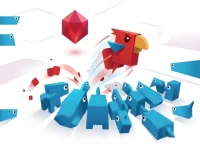
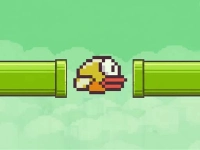
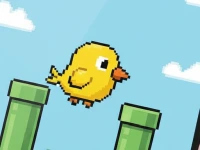
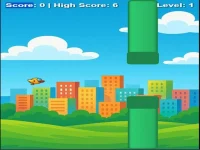
Birds Jump asks you to move upward between platforms and avoid obstacles. During the opening, look at the space where you want to land rather than keeping your eyes on the bird the whole time. When you see a useful platform, check whether its position leaves you looking toward the next part of the route. If you miss a jump, remember how much of the landing you could see when you started. On another attempt, practice looking up just a little earlier. Once you can recognize a good landing area, see whether you can keep the same habit through two jumps in a row.
Give each revealed crow an address on the grid
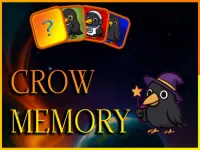
Crow Memory shuffles sixteen cards featuring eight crow characters. When you reveal a new face, attach it to a simple position, such as near the top edge or beside another card you remember. If you see its match on a later turn, stop and picture the original spot before choosing. Trying to memorize all sixteen positions immediately can make them blur together. Focus on a small part of the grid and add to it as the cards become familiar. Each matched pair reduces the area you have to keep in mind. Once a few pairs are gone, check which faces you can now connect without guessing.
Choose a pair that opens the stack
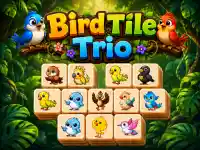
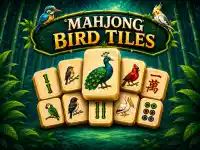
In Mahjong Bird Tiles, you clear layered boards by matching identical free tiles. Look at the pieces that are available and see what each possible match might uncover. A pair on an open edge can be easy to remove, but a pair nearer the middle may reveal a tile you have been waiting for. If a promising tile is still blocked, follow its edges and find the piece you can actually work on now. The stack becomes easier to read when you have a reason for choosing where to clear space. Take another look after each pair to see which tiles have become usable.
Try the climb when you want to practice timing and the cards when you want a result you can reach by paying close attention. Choose the layered board if you feel like tracing the effect of one move into the next. The bird theme carries across the collection, but what makes each round interesting is how it asks you to look at the screen.