Block Games
Read the space around a block before you move it
A block can be a place to land, an object you must turn, or one of several pieces waiting to be released. The Block tag brings those uses together. Look at the first scene and decide what the game treats as movable. In a platform game, you may move across a stable world. In a rolling puzzle, even a short move changes the shape that rests on the ground. In a release puzzle, the space left by one piece can matter more than the piece itself. Knowing which of those you are looking at makes it easier to choose a first move.
Find a landing before running toward the edge
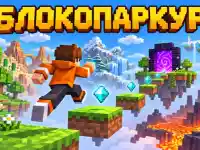
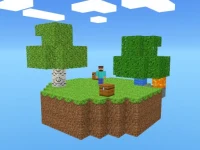
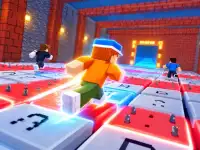
Blokoparkur is a first-person parkour game built around jumps between blocks. Look for the top face of the block you want to reach. Try to keep it in sight long enough to see whether the next jump is in the same direction or will ask you to turn. If the route feels hard to follow at speed, spend one attempt learning where the longer gaps are. On a return run, you can use a block you recognize to get ready for the jump that follows. The portal is the endpoint, but each landing gives you a point from which to read the rest of the route.
Track the face that will touch the platform
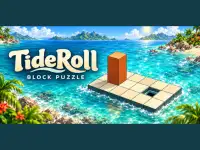
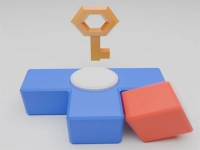
In TideRoll Block Puzzle, you roll a wooden block over platforms and guide it upright into a hole. When you are close to the goal, picture the block as it will look after a roll. A spot beside the hole may be useful if it lets the block stand, or it may leave no room for the turn you need. Rehearse that last approach from a wider area when the course gives you one. If there is a switch along the way, look at what it changes before planning the remaining moves. You may find that approaching from another side makes the final orientation easier to achieve.
Choose the release that preserves your next option
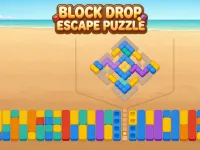
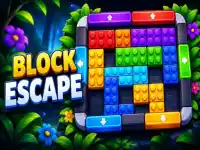
Block Drop Escape Puzzle asks you to release blocks in an order. Before tapping, look at the matching spaces and check which pieces you can reach now. The first available move may leave you with a useful opening, or it may take up a spot you need for another group. Look for a release that makes the next choice clearer. If you reach a dead end, remember which place was still open early on and see whether a different piece can use it. That gives you a concrete change to try on the next board.
Try a second block game when you want the blocks to serve a different role. A shape you used as a landing in one game can become the whole problem in another. The same habit of looking at the space around it can help with both, even when the controls and goals have little in common.