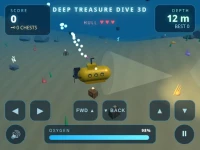
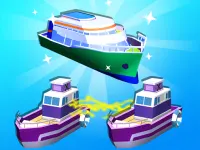
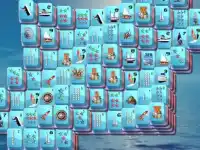
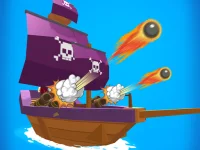
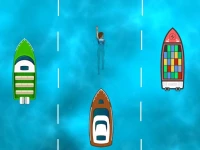
When you see "Boat" as a tag on browser games, you're likely to find titles centered around navigation and exploration in water environments. These games can be quite varied, from simple drag-and-drop puzzles to complex simulations of sailing across vast oceans.
Last Updated:
Firstly, consider whether you prefer a more strategic or action-oriented experience. In some games, like those focusing on treasure hunting, you might spend time managing resources, planning your route, and making important decisions about what to explore next. For these, patience and careful consideration are key. On the other hand, in fast-paced racing or combat games, quick reflexes and precise control over your boat's direction will be more crucial.
Secondly, think about how you want to engage with the game world. Some "Boat" games might emphasize environmental challenges, such as navigating through storms or avoiding obstacles like rocks and reefs. In these cases, pay attention to weather patterns and map layouts to maximize your chances of success. Alternatively, if the focus is on social interaction, perhaps competing against other players in a race or forming alliances with other boats, consider how you can best position yourself within the community.
Lastly, always try to observe other players' strategies during multiplayer sessions. Note which routes are most commonly taken and what tactics seem to work well. This can provide valuable insights into the game mechanics and help you improve your own gameplay on subsequent attempts.
In games where resource management is key, such as those involving fishing or trading goods across different ports, it's important to keep a close eye on your inventory. Prioritize items that will yield the highest return on investment or are in high demand at your destination. For instance, if you're fishing for pearls, ensure you have enough bait and maintain a steady supply of ice to preserve them.
Furthermore, in simulation games where you must manage multiple boats or even an entire fleet, delegation can be crucial. Assign tasks based on the strengths and weaknesses of each crew member. For example, one might be better at navigating through treacherous waters while another excels at repairing damages quickly. This can help streamline operations and keep your fleet running smoothly.