Brain Games
Work out which choice changes the puzzle
The Brain tag brings together games that ask you to predict what will happen after a move. In one, a splash changes the direction of something already in motion. In another, you have a finished picture to consult before you place a tile. A board full of arrows might look complicated until you notice which one has a clear path. Look for the rule you can test with a single input. Once you have seen it in action, you can spend more of the round thinking about how to use it.
Watch which direction a splash attracts attention
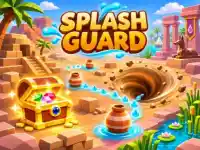
In Splash Guard, moving sinkholes follow the nearest splash while you try to protect treasure. Look at the distance between a sinkhole and the place where you want the water to land. A splash that is well placed for one sinkhole can be farther away from another. Before your next throw, watch where the closest threat is heading and decide what direction would give you more time. The movement after the splash is feedback. If it turns only a little or goes toward a different point than you expected, check the positions again before repeating the move.
Try looking away from the treasure for just long enough to see which route brings the sinkhole toward it. A solution that looks obvious at the chest may be easier to set up earlier in the path. See whether one diversion makes the next one simpler. This gives you a way to think ahead while keeping your attention on what is moving right now.
Find a tile with a recognizable neighborhood
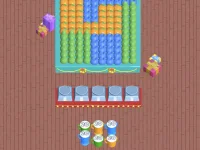
Pattern Mover shows you finished pixel artwork and the colored tiles that belong to it. Choose a patch with a detail that stands out. The color of that tile can be useful, but so can the arrangement of its neighbors. Check whether an edge or corner continues a line you see in the reference picture. When several tiles look alike, move to an area where the picture gives you more information. Once you have placed a few pieces, return to the quieter patch. The new edges can help you distinguish tiles that looked interchangeable at first.
Read the board in the direction of each arrow
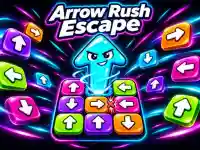
In Arrow Rush Escape, a tap tries to slide an arrow off the board. Follow the arrow from its starting point to the edge and check for anything in the way. When you find a clear route, see whether using it opens a line for another piece. If the board feels crowded, look at the arrows you expect to move last and find what is blocking them now. That can reveal a move you would otherwise have passed over.
After you finish a level, remember when you first understood what would happen next. It might be the moment you saw a better place to throw water, recognized a piece of the picture, or found one clear line through the arrows. On the next board, look for a similarly useful clue before trying several moves in quick succession.