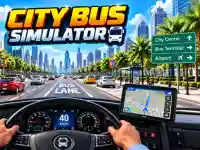
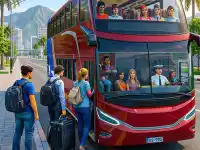
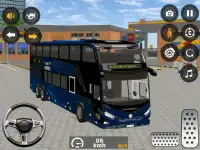
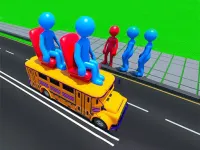
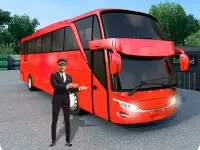
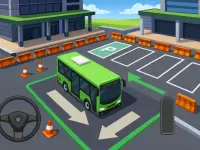
When you see "bus" as a tag for browser games, it usually means that the game involves managing and optimizing public transportation systems. These games often require strategic planning to ensure smooth operations and meet various objectives.
Last Updated:
Firstly, consider whether you prefer a managerial or simulation focus. In managerial games, you might oversee the hiring of staff, manage budgets, and handle customer service issues. A useful thing to try is setting specific goals for each day or week to stay organized and focused on what needs improvement. In contrast, simulation games may allow you to directly control buses and routes, providing a more hands-on experience.
Secondly, think about the complexity of routes and challenges. Some games might have simple linear routes with few variables, while others could involve complex networks with multiple stops and dynamic traffic conditions. Notice how different types of passengers affect your decisions—some may require special attention due to their urgency or status. Experimenting with these varied scenarios can help you adapt your strategy accordingly.
Lastly, consider the balance between real-time operations and planning. Some games might emphasize quick decision-making in real-time situations, while others could focus more on long-term planning. Try to identify which aspect is more engaging for you and adjust your playstyle accordingly. For instance, if you find real-time challenges too stressful, try focusing on preplanning strategies that can be executed smoothly during the game.
In bus games with a managerial focus, pay attention to the financial health of your transportation system. Balancing revenue from fares against operational costs like fuel and maintenance is crucial for sustainability. For example, you might need to adjust fare prices or improve service efficiency to boost profits without alienating passengers.
For simulation-focused titles, practice route optimization under different traffic conditions. You can start by identifying the most common congestion points and then experiment with rerouting strategies to minimize delays. This approach not only helps in reducing travel times but also improves overall passenger satisfaction.