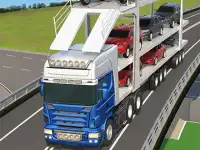
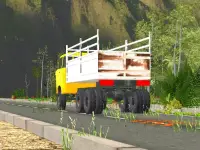
When you see "cargo" as a tag for browser games, expect to manage resources and transport goods between locations. This tag groups games where players handle logistics, often in various environments such as cities, space, or fantasy realms.
Last Updated:
Firstly, consider the scale of your game. Some might focus on small-scale deliveries within a city grid, while others could span vast interstellar distances. For a more detailed experience with complex systems and larger maps, choose a game that offers multiple zones and diverse cargo types. Conversely, if you prefer simpler puzzles or fast-paced action, opt for games with fewer destinations and less variety.
Secondly, think about the economic aspect. Some "cargo" games might emphasize trading goods to maximize profit, while others could concentrate on delivering urgent supplies without worrying about cost. To enhance your decision-making, pay attention to market prices in trade-focused games or the urgency of deliveries in those requiring speed. On your next attempt, try to anticipate changes in supply and demand or the importance of timely arrivals.
Lastly, decide how much you want to involve in management tasks. Some "cargo" games might require micromanagement of crew and equipment, while others automate many processes, allowing more strategic planning. Experiment with different management layers; if you find yourself overwhelmed by details, try setting aside time for long-term strategy instead of constant operational oversight.
Thirdly, consider the user interface (UI) design when choosing your "cargo" game. Some titles might feature intuitive maps and clear indicators for cargo status, making it easier to navigate complex routes and manage multiple shipments simultaneously. Others could present a cluttered or confusing layout that may slow down your gameplay, especially in games with intricate logistics.
Fourthly, think about the feedback mechanisms available in each game. In some "cargo" titles, you might receive detailed reports on performance metrics such as delivery times, cargo losses, and financial gains. These can help you learn from mistakes and improve over time. Alternatively, other games might offer more abstract visual cues or simple success rates that provide less granular data but are easier to interpret quickly during gameplay.