Cars Games
Move a car out of a jam, over a hill or through a timed shift
A car game does not have to begin with an open road. Sometimes there is a toy car in the way and you need to move two others before it has somewhere to go. A hill climb puts a different problem under the wheels. In a gear-shift race, the road is less important than what you do when the engine reaches a useful point on the display. Look for the kind of decision you want to spend time with. The cars may have little in common once you start playing, even though each game gives you a way to see the effect of one carefully chosen move.
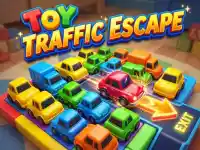
Give the red car a lane before trying to move it
Toy Traffic Escape asks you to slide toy cars and clear a path for the red one. Look at the exit and trace the line the car needs to take. Pick the first vehicle that crosses that line and see where it has room to slide. If it cannot go far enough, check what you could move to make its destination available. This works better than shifting every car just because there is space beside it. When you free a portion of the exit lane, look back at the red car before touching anything else. You may have opened a shorter route than you intended, or found which remaining vehicle is actually holding up the puzzle.
Use the same hill to compare two vehicles
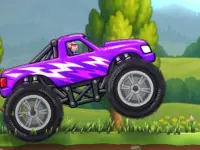
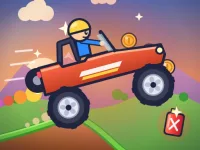
In Peak Racer, you can drive vehicles ranging from dirt bikes and rally cars to monster trucks and electric cars. Pick one familiar rise and watch how the vehicle sits as the ground changes underneath it. Notice whether you can see the top while you are still approaching. On another attempt, try a different vehicle on the same stretch. Give yourself time to judge what happens after the crest before changing how you drive at the beginning. Comparing vehicles on familiar terrain gives you a better idea of what makes one easy to read. It also lets you choose a vehicle based on the section you want to practice rather than its appearance alone.
Watch where the shift cue passes the same point twice
Extreme Gear Shift Racing has eleven levels, with solo and local two-player modes. Use an opening race to see where the game signals a shift. Start watching the display before you expect the cue and compare two changes made at slightly different moments. If you are racing with a friend, give each player a run to learn the display before comparing results. The most useful difference may be a shift you can repeat reliably, even if the first few races are close.
Choose the next game by what you enjoyed watching. A clear lane shows the effect of a slide, a hill exposes a difference between two vehicles, and a shift cue gives you a brief moment to practice again.