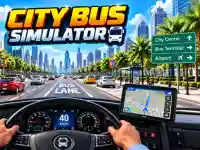
When you browse browser games under the "city" tag, you'll find a variety of games that focus on managing and building urban environments. These games often revolve around city planning, resource management, and economic development.
Last Updated:
Firstly, consider whether you prefer a top-down or side-scrolling perspective for your gameplay. Top-down city builders typically offer a bird's-eye view where you can see the entire layout of your city at once. This allows for easier strategy implementation but might be less immersive if you enjoy more detail-oriented control. Side-scrolling games provide a closer, more dynamic experience, making each action feel more impactful and immediate.
Secondly, think about how much time you want to invest in managing resources versus expanding the city itself. Some "city" games emphasize resource management, such as balancing finances, importing goods, and maintaining infrastructure. Others focus on expansion, where the goal is to grow your city from a small settlement into a bustling metropolis. Balancing these aspects can be crucial for success.
Lastly, decide if you want a game that offers immediate satisfaction through quick tasks or one that requires long-term planning and strategy. Games with shorter, more frequent objectives might appeal if you're looking for quick sessions, while those requiring years of development could suit players who enjoy deeper, more complex gameplay. Try choosing a city game based on these factors to find the best fit for your play style.
When focusing on resource management in "city" games, pay attention to how efficiently you can allocate funds and labor. For example, in some games, you might need to decide between building more factories to boost production or investing in better roads to reduce transportation costs. Efficient allocation often leads to quicker progress and a smoother city operation.
In contrast, expansion-focused "city" games might require careful planning for sustainable growth. You'll need to consider environmental impacts, such as pollution from industries, and balance them with residential and commercial needs. This can be particularly challenging in long-term scenarios where you must manage the well-being of your citizens while ensuring economic stability.