Collecting Games
Collecting games with a good reason to look twice
Collecting gives you a way to measure what changed between the start and end of a round. An empty submarine comes back with a haul, a patch of ground shows through where leaves used to lie, and a picture gives up a star that seemed to blend into the scenery. The games in this collection make you pay attention to different things along the way. A treasure hunter cares where the next promising chest might be. A groundskeeper cares how much work can fit into a trip. A player searching a picture cares which parts of the scene they have already examined.
Decide where to search on a dive
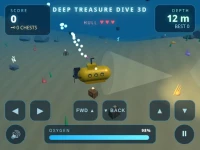
In Deep Treasure Dive 3D, you pilot a yellow submarine down to a reef and pick up bronze, silver and gold chests. There is a reason to venture farther down because the deeper areas offer richer treasure. On your first descent, get a feel for how the submarine moves and use the nearer chests to practise lining up an approach. If you spot a chest off to one side, take a look around before leaving that depth. A small turn may bring another pickup into view and give you a better sense of where you have searched. On a later dive, try heading for a different part of the reef and see what you find when you give yourself time to explore it.
Turn small loads into better equipment
Leaf Clean Up starts you off gathering fallen leaves with your bare hands. You carry what you collect to a sell zone, turn it into cash and use glowing upgrade pads to improve how you work. The first few trips are a chance to see how far you can get before it makes sense to head back. Pick up leaves along a route that swings toward the sale point when your load is ready. Then consider what slowed that trip down when deciding how to spend the money. The fun is in going back over a familiar stretch of ground after an upgrade and seeing how much more of it you can clear in one pass.
Search a busy picture in sections
In Toca Hidden Stars, the targets sit inside colorful scenes full of characters and animals. A big face or bright object naturally draws your eye, which can make quieter parts of the picture easy to overlook. Try choosing a corner and following the edges of the objects near it before moving inward. If you reach a point where the obvious stars are gone, change the direction of your search. Look across the scene from bottom to top, checking little gaps between large shapes. This gives your eyes a different path through a picture you may already have looked at several times.
Pick the submarine when you want to steer through a space and find out how much better the haul gets as you explore. Choose the leaf game when you want the results of a collection run to make the next one easier. Open a hidden star scene when you would rather stay in one place and notice what you missed on the first look.