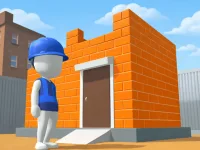
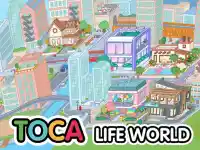
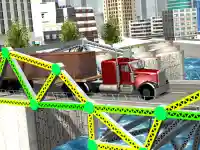
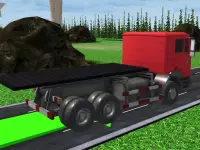
When you see "construction" tagged on browser games, you're looking at a variety of building and management simulations where players take on roles like city planners or builders. These games often require strategic thinking and resource management.
Last Updated:
In some construction games, your goal is to design and build structures within a limited space. You might face challenges such as optimizing the use of materials and ensuring that buildings are structurally sound. Pay attention to how different resources affect building performance; for example, using stronger materials can increase durability but may require more resources.
Other games focus on expanding and managing a city or town over time. Here, you’ll need to balance residential, commercial, and industrial zones while dealing with population growth and environmental factors. Notice the impact of zoning decisions on traffic flow and pollution levels. Try experimenting with different layouts to see which configurations work best for resource allocation.
When choosing among these games, consider whether you prefer a more streamlined building experience or a detailed city management challenge. If you enjoy strategic planning within constraints, look for games that emphasize puzzle-like construction tasks. Conversely, if you're interested in long-term city development and balancing multiple systems, seek out titles with evolving environments and complex interactions between different elements of your city.
By focusing on these aspects, you can better tailor your playstyle to the type of "construction" game you want to explore next.
In some construction games, players must manage a farm or agricultural business, where the focus is on cultivating crops and managing livestock. Carefully plan which crops to plant based on seasonality and market demand; timing can greatly affect your profits. Also, consider investing in upgrades for tools and machinery to increase efficiency and yield.
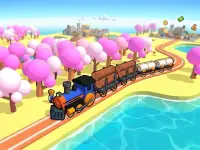
Another example involves building and operating a railway network. You'll need to lay tracks efficiently between key cities or resources, considering the cost of construction versus the revenue generated by passenger and cargo transport. Prioritize areas with high traffic demand and ensure you have enough stations and locomotives to handle the flow.