Design Games
Decide what a room should make easy to do
Start with a job for the space. You might want to make a room easier to organize or build a little house that looks as if someone could use it. Give yourself a practical question before you place the first object. Where would you put something you need every day? Which part of the room would you want to see from the entrance? Even a game with few limits can feel more interesting when there is a reason behind the way you arrange it.
Work out what the room has to hold
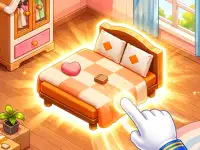
Cozy Games: Dreamy Room puts furniture and decorations in spaces that need organizing. Begin with the bigger items and look at how much room is left for smaller ones. A large piece can help define an area, but its position also changes where other objects can go. Move it to a different side if the game allows you to and check what becomes possible. A good layout may show up when you compare how two arrangements handle the objects that were hardest to fit.
Try a different layout without changing the pieces
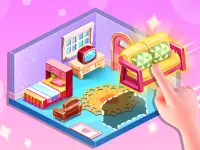
In DIY Sticker Dream House, stickers are the pieces you use to customize a house. Decide where the largest shape should go, then look for patterns in the space around it. Smaller stickers can connect one part of a scene to another. They can also help you separate two spaces by adding different kinds of detail to each one. Try making a corner look like an area with its own use. Then check whether it still looks connected to the rest of the house.
Look at which choices you can change without losing the layout you have built. If one detail seems out of place, identify what it is competing with. You can test the position of that detail while leaving the rest as it is. Changing the whole room can be fun, but moving a single piece makes it easier to see how your design decisions affect the scene.
Make order part of the design
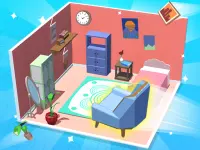
Dream Room Arrangement of Objects focuses on sorting, cleaning and putting things in place. In a room filled with objects, try noticing which ones can be grouped by how you use them or where they belong. Clear a convenient spot before you start moving things around it. When you finish an area, check whether the items that remain are easier to see and use. That can tell you whether your grouping makes sense.
Once you finish one room, sketch out a different aim for the next one before you move the first object. A tidy arrangement can show what belongs together, while a sticker scene might give you more reason to think about how the parts fit visually. Keep one decision you enjoyed making and see how it works with a different set of objects. You may find a layout worth keeping before choosing how you want to finish its details.