Drifting Games
Learn what a corner asks of you from three different views
Drifting games can give you very different pictures of a turn. A dedicated drift game gives you time to notice how the car looks while it moves sideways. A top-down racer shows the shape of the road and the other cars around you at the same time. A Formula event gives you a reason to notice when rain or debris changes how a familiar stretch feels. Pick a view that helps you see what you want to practice. Then choose one part of the course you will recognize if you decide to make another attempt.
Compare two slides on the same bend
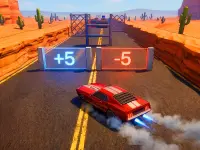
Real Car BMW M4 Drift is built around drifting the same model of car in different environments. Start somewhere with enough space to see the whole turn. Watch the nose of the car as well as the direction the car actually travels. They can point in different directions for much of a slide. On your next pass, try starting the movement a little farther from the bend or carrying a different amount of speed into it. Change one thing at a time so you can see how much it affects where the car ends up. Once you can repeat a short slide, look for another bend where the same movement has more or less room to work.
Look at the direction of the next straight on a top-down track
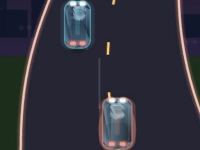
In Turbo Team Racing, a top-down view puts tight corners, other cars and power-ups on the same screen. Use that view to look beyond the part of the track where you are right now. Find the opening after a turn and see how near you can get to pointing along it before the car reaches the end of the bend. If a pickup draws you away from that line, watch where it leaves you when the following straight begins. A second lap gives you a useful comparison when you can decide whether to take the pickup again or follow the line that made the exit easier.
Take unfamiliar conditions one turn at a time
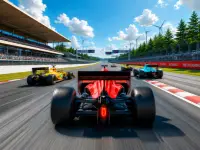
Formula Apex Rush spreads its events across eight regions and includes rain and debris. On a route you know, look for the first stretch that feels different when the conditions change. Use an early attempt to see whether your usual line gives you enough room to make a correction. If the exit feels cramped, think about the position you had before entering the turn. A steadier approach can make it easier to tell which part of the change came from the track. The event progression gives you a chance to return to this question as the surroundings change.
Give each run a result you can describe. You might have learned where a slide runs wide, found a better exit on a top-down course or recognized a change in a familiar Formula event. Use one of those observations to choose how to approach the next corner rather than trying to change the entire run at once.