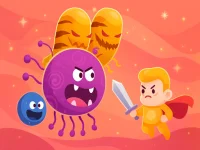
In games where physical health is central, players often manage a character's energy levels through activities like running, jumping, and avoiding obstacles. Pay attention to the color changes in your character’s health bar; they can indicate when you are close to exhaustion or recovery. Try to find patterns in how different terrains affect your stamina—flat ground might be easier than climbing stairs.
For games centered on mental health, you might manage a character's mood through puzzles and challenges that require calm thinking or quick reflexes. Notice if certain colors or music styles correlate with higher stress levels; this can help you anticipate when to take breaks or use calming techniques. Experiment by slowing down in stressful moments—this can sometimes help reset the game’s state, giving you an advantage.
In games combining both physical and mental health, players might navigate complex environments while solving problems that affect their overall well-being. Look for clues in the game world that suggest how different actions impact your character's health. For example, eating certain foods might increase energy or reduce stress. Pay attention to these details as they can be crucial to success.
By observing these patterns and experimenting with different strategies, you can better navigate the challenges presented by "health" tagged games.
In games that emphasize both physical and mental health, it's important to balance activities carefully. For instance, if a game requires you to complete a puzzle while also running from enemies, prioritize tasks based on what will most impact your character’s health. If the health bar starts to drop, focus on completing puzzles quickly rather than outrunning every enemy.
Additionally, in games where mental well-being is key, try to identify moments when your character's mood dips significantly. This could be due to a series of difficult challenges or an accumulation of negative events within the game world. When you notice these mood changes, take a moment to pause and reflect on the situation before proceeding. Sometimes stepping back can help you find a more effective strategy for overcoming obstacles.
Moreover, in games where both physical and mental health are involved, look for environmental cues that suggest how actions affect your character’s overall well-being. For example, certain areas might have calming effects or provide resources that boost both energy levels and mood. By paying attention to these subtle hints, you can make more informed decisions that benefit your character in the long run.