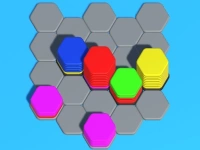
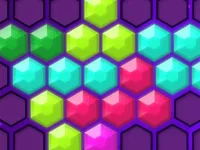
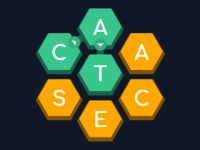
When you see "hex" as a tag for browser games, expect to find titles that use hexagonal tiles or grids as their primary game board. This unique layout can affect how strategies unfold and resources are managed.
Last Updated:
First, consider the nature of movement on a hex grid. Unlike squares where units move in straight lines, hexes allow diagonal movements that can feel more natural for many players. Try adjusting your pathfinding skills to take full advantage of these diagonal moves, as they can offer strategic advantages over purely horizontal or vertical paths.
Next, think about resource management and placement. Hex-based games often require careful planning due to the irregular shape of hexes, which can lead to unique bottlenecks in resource flow. Pay attention to how resources are distributed across your board; strategically placing key structures near high-value resources can be crucial for long-term success.
Lastly, evaluate the game's turn structure and interaction with the hex grid. Some games might have real-time elements, while others could be turn-based. Note how the hex layout influences combat or resource exchange during turns. Experimenting with different strategies based on this turn structure can help you adapt more effectively to each game’s mechanics.
Hex grids often come with varied terrain types that affect movement costs and unit capabilities. Be mindful of these differences; for instance, units might move faster over flat plains but slower through dense forests or mountains. Adjust your tactics accordingly, perhaps opting for a flanking maneuver in open areas where movement is quicker.
Moreover, consider the implications of hexagonal adjacency on defense strategies. In many games, adjacent hexes can offer support to each other, creating overlapping fields of fire or defensive zones. This means that placing units strategically around key positions can provide mutual protection and create more robust defenses against enemy assaults.