Highscore Games
Give yourself something to improve beyond the number
A high score is an easy way to tell how a run ended, but it does not tell you what made that run work. To find out, choose one part you can recognize while you play. It might be a turn in a drawn path, a ledge halfway through a climb, or a moment when a one-button game gives you time to act. Watch what happens there on your first attempt and try one change on the second. Even if the final score barely moves, you may have found something you can do more reliably next time.
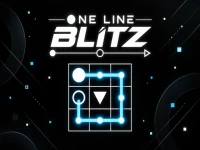
Look at the finish before drawing the line
One Line Blitz asks you to draw a continuous path from start to finish. Before drawing, check which spaces look easy to enter but hard to leave. It can help to decide how you would reach the finish from the nearest bend and then look for a way to connect that stretch to the start. Once you begin, keep the next turn in mind so you do not reach a corner and have to choose in a hurry. If a layout slows you down, remember the point where you first had two options and see what the other one would do. That gives you something specific to practice on a new board.
Measure a climb by the ledges you can reach consistently
In Urban Jump, the challenge is to climb higher through a fast arcade platforming course. Find a ledge you can reach on most attempts and treat it as your reference. From there, compare how the next jump feels when you land in the middle rather than close to an edge. If a higher section keeps ending your run, think about where you started the jump that took you there. You might make it easier by changing the landing one move earlier. When you can reach the same spot twice, you have a better chance of seeing what the next part of the route needs.
Find the visual cue that makes a tap repeatable
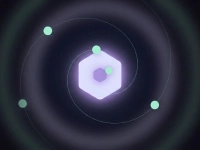
Orbit Ring 2 uses one-button play for a high-score challenge. Spend the first round watching what comes into view before the game asks you to tap. Pick one feature you can recognize without looking away from your position for too long. On another attempt, use that feature to compare an early tap with a later one. The best cue is one you can still notice when the pace increases, so try it through several moments rather than judging it from the first success. A reliable cue can be more useful than any single run that happened to go well.
End your session with one observation you can use again. Remember the bend that helped a line fit, the landing that made a climb steadier or the cue that let you see a tap coming. The next score you set will be easier to understand when you know what you tried to change.