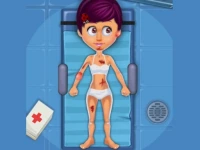
When browsing browser games with the tag "hospital," you'll find a variety of titles that revolve around medical and healthcare settings. This tag groups games where players can take on roles such as doctors, nurses, or administrators in different hospital environments.
Last Updated:
Firstly, consider your preferred gameplay style. Some games focus more on patient care and treatment, requiring quick decision-making and efficient resource management. Others might emphasize administrative tasks like scheduling staff and managing supplies. Think about which aspect you find most engaging: direct patient interaction or behind-the-scenes operations.
In the first type of game, pay attention to how patients are categorized by their needs. This can vary widely between titles—some may have a simple system based on severity, while others might introduce unique conditions that require specific treatments. Try to anticipate which conditions you'll encounter and prepare accordingly.
For administrative games, focus on the workflow systems in place. Different hospitals might handle patient admissions, medication distribution, or staff scheduling differently. Experiment with various strategies for managing these tasks efficiently; what works well in one game may not be as effective in another due to varying mechanics.
By considering your play style and focusing on specific aspects of hospital management, you can better decide which games to try next and improve your experience by adapting to the unique systems each offers.
In administrative-focused games, pay close attention to how tasks are prioritized and completed. For instance, in one game, you might need to balance patient admissions with ongoing treatments and medication schedules, while in another, managing staff breaks and meal times could be crucial. Prioritize tasks based on their immediate impact; for example, urgent medical needs should take precedence over less critical issues.
In games that simulate direct patient care, familiarize yourself with the common treatment paths. Often, patients will progress through a series of stages from initial diagnosis to recovery. Understanding these stages can help you anticipate what actions are needed at each step and prepare accordingly. For example, in one game, certain treatments might require specific equipment or medications, which need to be prepared before a patient's arrival.