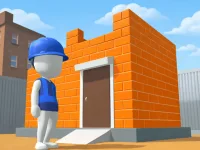
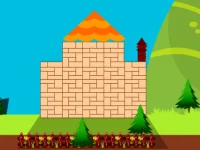
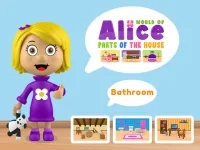
Firstly, consider the type of management you prefer: resource allocation or construction. In games focusing on resource management, you might find yourself dealing with limited supplies and making tough decisions about what to prioritize—like in a virtual homestead where you must gather food and wood while maintaining a balanced environment. For those preferring more hands-on building, look for titles that let you design interiors or exteriors of houses, perhaps balancing aesthetics and functionality.
Secondly, think about the challenge level: simple or complex. Simple games might offer straightforward tasks like decorating rooms with basic furniture, allowing players to enjoy the creative aspect without overwhelming mechanics. More complex games could involve intricate floor plans, budget constraints, and time management, providing a deeper strategic experience that requires careful planning and foresight.
Lastly, consider your play style—whether you prefer solo or cooperative gameplay. Solitary house-building games can be deeply satisfying as you watch your creation grow, while collaborative titles might offer social interaction and teamwork as you build a communal space together. Try focusing on the initial setup of your game to understand its rules and then gradually increase complexity by adding more elements or players as you become comfortable with the basics.
In games that involve resource allocation, pay attention to how the developers have integrated scarcity into the gameplay. For example, a virtual farm might limit water sources, forcing you to strategically place wells or irrigation systems to support your crops and livestock. This not only adds depth but also simulates real-world constraints, making the management aspect more realistic.
For those interested in puzzles within a domestic setting, look for games that incorporate logic challenges into daily routines. Imagine a household where you must figure out the most efficient way to clean multiple rooms or schedule tasks around different family members' schedules. These types of puzzles can be both fun and mentally stimulating, offering a break from more linear gameplay.
Additionally, consider how the game handles upgrades and improvements. In some titles, you might unlock new furniture or tools as your house grows stronger or wealthier. Other games could introduce seasonal events that require specific items or decorations to complete challenges, adding variety to the experience and encouraging regular play.