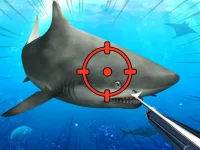
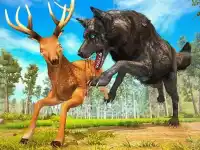
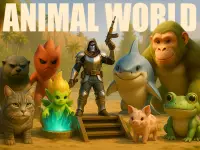
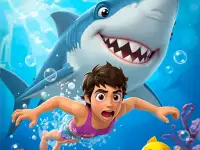
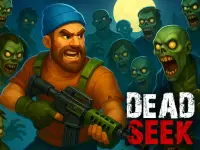
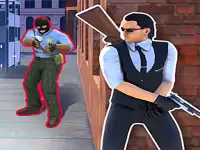
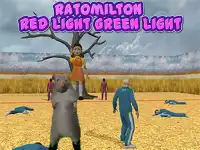
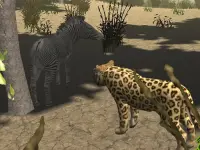
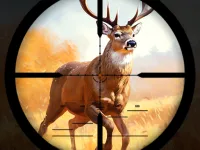
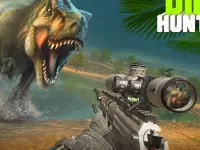
When you browse browser games with the "Hunting" tag, you're likely to find a variety of games where your primary goal is to catch, kill, or outmaneuver prey. This tag can include everything from realistic animal hunts in vast open worlds to more fantastical scenarios like catching magical creatures.
Last Updated:
Choosing Your Play Style
First, consider whether you prefer a realistic hunting experience with detailed graphics and physics, or something more cartoonish and colorful. Realistic games might require patience and precise timing, while fantasy games could offer a wider range of strategies and magical elements. Try playing one game that emphasizes stealth over action to see if you enjoy the challenge of sneaking up on your prey.
Game Mechanics
In hunting games, mechanics often revolve around tracking and positioning. You may need to use maps or mini-games to locate targets before making a move. Some games might require you to manage resources like food or ammunition, adding another layer of strategy. Pay attention to how other players handle these elements; observing can provide insights into effective strategies.
Next Steps
After choosing your preferred game style, practice stalking and aiming techniques that are common across hunting games. Notice if the game uses realistic animal behavior patterns or more whimsical animations. Try different approaches—such as using cover or luring prey—to see what works best for you. Remember, each hunt is a new opportunity to refine your skills.
Resource Management
Effective resource management can be crucial in many hunting games. For example, in some titles, you might need to gather materials like traps and bait which require time or other resources to collect. Balancing these needs with the immediate goal of catching prey can add depth to the gameplay. If a game allows you to craft tools or upgrades, investing wisely can significantly improve your chances of success.
Team Dynamics
In multiplayer hunting scenarios, teamwork can greatly enhance your experience. You might need to coordinate with others to set up ambushes or divide areas for more efficient hunting. Communication is key; discussing roles and objectives before starting a hunt can lead to better outcomes. Observing how skilled players interact in these situations can provide valuable lessons on cooperation and strategy.