Interactive Games
Explore three ways a game can respond to your choices
When you open a game from the Interactive tag, pay attention to what changes after your input. A mark on a picture stays where you put it. A die can become part of a group that merges and leaves a different board behind. Moving a disc can give you room to move another one, but the disc you just placed may also become an obstacle. These changes call for different kinds of planning. Choose the game that gives you the kind of feedback you want to spend a few minutes exploring.
Keep a patch of the picture in view
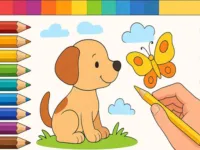
Draw with Pencils: Coloring Book provides outlines you can color. Pick a small area that is easy to recognize, then choose a color that will still be visible beside the colors you want to use later. You can fill one section and evaluate it against the blank parts before deciding what else to add. If you are comparing two colors, try them in places with similar surroundings so the rest of the picture does not make the comparison harder. A single finished patch is enough to see how the activity feels. You can continue once you have decided whether you want a consistent palette or more variety across the drawing.
Leave enough room for a merge to change the board
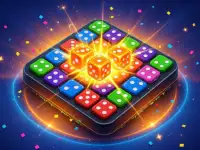
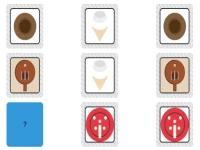
In the dice merge game, groups of three or more dice with the same number combine into higher values. Look at the number you want to group and think about which space could bring the pieces together. If you have more than one useful position, check what else is nearby. A place that works for the immediate group may give you little room to act afterward. See what the board looks like after a merge and decide whether keeping a part of it open gives you more options for the next one. The score shows progress, but the arrangement tells you what you can still do.
Use a spare peg without blocking the piece you need
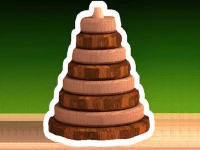
Move the Tower presents the Tower of Hanoi puzzle. You move one disc at a time and a larger disc cannot sit on a smaller one. Look at the largest disc that still needs to move and decide which discs must leave its path first. That smaller stack is a problem you can solve before thinking about the whole tower. Try using the spare peg for a short sequence, then check whether the disc you wanted to free can actually reach its destination. Breaking the task this way helps when the opening position has too many legal moves to consider at once.
After the first round, look at what you learned from seeing a choice take effect. In a drawing, you may want to keep a color and change the area beside it. In a puzzle, you may have found a useful place to leave empty. Try that idea once more while you can still remember how the first result looked.