Levels Games
See how a new level changes the rule you just learned
The Levels tag helps you find games that divide a larger challenge into stages. A useful level gives you enough room to try an idea and enough feedback to see what the idea changed. The next level may keep the same rule and put the objects in a different place. That is often the part worth noticing. If you remember why a move worked before, you can decide much faster whether the same move makes sense on the new screen.
Learn what the first board is teaching
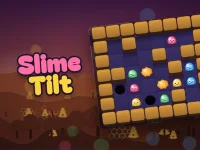
Slime Tilt moves several pieces at the same time. When you tilt the box, look at where the other slimes stop while you make the pair you intended. The position they end in can matter more in a later stage with fewer open routes. On the next level, check what the walls allow before you copy your first move. The same motion can bring two pieces together in one layout and send them into separate corners in another.
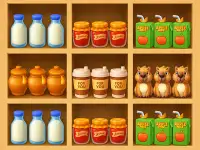
In Fruit Shelf Sort, you drag fruit between shelves and try to bring three of the same kind together. Spend a moment looking at which shelf gives you room to move a piece. Clearing one group can be an improvement if it creates a place to hold fruit while you work on another group. When a level leaves little space, look for a move that increases your options before trying to finish the most obvious set.
Compare the clutter in two different stages
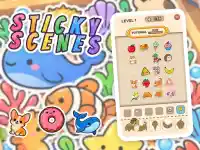
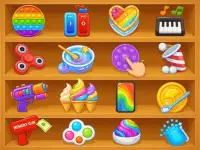
Sticky Scenes puts stickers on a board above a row of spaces. Take a look at which pieces can be selected and what room is available below. When a later screen feels more crowded, you can ask whether you need a different first selection or a different order after that. A sequence that works with several free spaces may have to change on a level that fills up quickly. Try preserving a space for an object you expect to need soon, then check whether that makes the remaining choices easier.
Choose a stage as a natural stopping point
Set aside one stage for learning rather than trying to finish several in a row. Try the move that seems obvious, then look at what it did to the rest of the board. If you reach a point where none of the moves help, remember which earlier position gave you the most choice. Returning to that point may teach you more about the rule than restarting without a plan. When the game introduces a new layout, take a moment to find out how it asks you to use what you already practiced.
Small stages make it easier to measure a change in your approach. When a board feels different from the one before it, try to put that difference into words. You might have less workspace, a longer route for a piece or another object that moves at the same time. Start with that difference when you try the next stage.