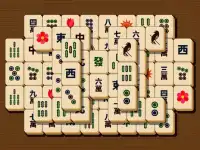
Firstly, consider your preferred play style: some games focus on speed, encouraging quick matches for high scores; others emphasize patience and planning, with slower-paced gameplay that rewards thoughtful moves. Notice if the game requires you to match tiles by color or suit, or if it includes special tiles like dragons or flowers, which may have unique rules.
Secondly, pay attention to how points are earned: in some games, removing pairs of identical tiles adds points directly, while others might offer bonuses for sequences or specific patterns. Try using a strategy that maximizes these scoring opportunities on your first attempt to see the game's scoring system in action.
Lastly, look at the layout and mechanics of the game board: some may have a fixed number of tiles visible, requiring you to use memory, while others might reveal more tiles as you play. Experiment with different layouts to find one that suits your cognitive style best.
When planning your moves, consider the potential future placements of tiles. For instance, if removing a tile will leave an empty space, think about which tiles could fit there later in the game. This foresight can save you from making suboptimal decisions early on.
Another useful strategy is to focus on creating pairs or sequences that clear multiple tiles at once. In many games, clearing longer sequences not only removes more tiles but also often awards bonus points. For example, if you see a potential sequence of four tiles in a row, try to manipulate the board to complete it, as this can be highly rewarding.
Additionally, pay attention to how the game handles special tiles like red threes or tiles with unique symbols. Often, these tiles have specific rules about their placement and removal that can significantly affect your strategy. By recognizing these tiles early on, you can incorporate them into your planning to maximize efficiency and score.