Mouse Games
Sort moving pieces or find a route for a little traveler
Open the Mouse tag and you may see factory puzzles beside games about small animals. The useful choice is whether you want to react to something moving or spend time working out how pieces connect. A conveyor puts a limit on how long an object is in reach. A runner gives you a similar limit when a barrier comes into view. A trail puzzle lets you look at several turns before deciding which tile to rotate. Use the instructions on the game page to see what you will control, then give the opening enough time to show what the game does after your first move.
Look at where the conveyor will be at release
Magnet Sort places a magnetic crane over a moving factory conveyor. When an object is in view, keep watching the belt while you decide what to do with the crane. The place you are aiming for may shift before a drop is finished. Try a short run in which the aim is simply to see where one object lands. If it ends up too far along the belt, note how early you began the release. On the next pass, change that timing while keeping the rest of the move familiar. After a few attempts, the conveyor can give you a cue about when to act instead of seeming like an extra thing you have to watch.
Pick a stretch where you can see the next barrier
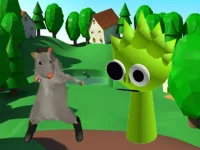
In Mice Rush, you guide a mouse through obstacles and collect cheese. Before following a pickup, see what the route looks like immediately after it. Sometimes the clearest line is the one that gives you a view of another opening. Spend the first attempt seeing how early a barrier becomes recognizable. Once you know what gives it away, you can decide whether to go after a nearby piece of cheese or keep the mouse lined up for the next gap. Compare runs by how well you handle a stretch you remember. The total can improve later, once you can recognize the decisions that cost you room.
Build a trail from the connection you can check
Chinchilla Trails asks you to rotate trail tiles until they form a route home. Find a tile whose edge already points toward a useful neighbor. Rotate the neighbor and check both ends before moving on. If the new segment leads somewhere awkward, look at where the route needs to turn. You might be able to work from the destination end and meet the section you have already made. Following a few definite connections is easier than trying to rotate every tile into a promising position at once.
Let the result of one move guide the rest of the session. A drop that lands where you expected, a clear path past a barrier, or a short trail you can follow with your eyes gives you something definite to build on. Use that detail when you return for another round.