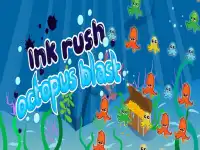
When you see "octopus" as a tag for browser games, you're likely to encounter games centered around these curious creatures, often with themes of exploration and puzzle-solving. These games can vary widely in their mechanics and goals, making it important to consider your preferred play style.
Last Updated:
If you enjoy a mix of strategy and exploration, try titles that involve navigating an octopus through underwater mazes or solving environmental puzzles. The tag suggests games where the octopus's unique abilities, such as changing color or shape-shifting, can be used creatively. Notice how these abilities are integrated into the gameplay—do they help in avoiding traps or solving complex obstacles?
Alternatively, if you prefer a more action-oriented experience, look for games that feature combat elements with octopuses. These might involve battling other sea creatures or defending your territory. Pay attention to the control schemes—some might require quick reflexes and precise timing, while others could focus on strategic planning.
Lastly, consider games that blend puzzle-solving with storytelling. Here, the octopus might be a key character in an adventure, guiding you through various challenges that reveal more about its world and history. Try focusing on how the narrative unfolds and how it interacts with the gameplay to enrich your experience.
If you are interested in a slower-paced game where strategy takes precedence over action, search for titles that involve resource management or long-term planning for an octopus's survival. For example, one might require you to collect food, repair damage, and expand your underwater habitat while avoiding predators. Notice how the game balances immediate threats with longer-term goals, and whether it provides clear feedback on what actions will benefit your octopus in the future.
Another approach is to explore games that combine real-time strategy elements with a focus on team cooperation or competition. These might involve managing an entire school of octopuses, each with unique roles and abilities. Look at how these cooperative or competitive dynamics are implemented—do they encourage communication between players, or do they create tense situations where quick decision-making is crucial?