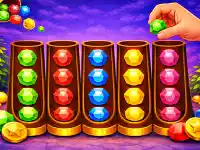
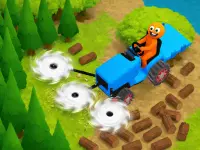
When you see "onetouch" in a browser game tag, it typically means that the primary mechanic involves tapping a single button to perform actions. These games often feature simple controls and can be played with just one tap of your mouse or finger.
Last Updated:
Firstly, consider how you prefer to play. Some players might enjoy quick reflexes and precise timing, such as games where you tap at specific moments to avoid obstacles or hit targets. For these, focus on developing your reaction time by practicing under pressure. Notice the speed and pattern of events in the game; this can help you anticipate when to tap.
Alternatively, other "onetouch" games might reward strategy and planning over rapid reflexes. In these, tapping at appropriate times is crucial but less about timing than making smart decisions. For example, some games require you to tap strategically to build structures or manage resources efficiently. Try to understand the underlying patterns in the game mechanics; this can give you a strategic edge.
Lastly, when browsing "onetouch" games, pay attention to the visual and auditory cues that indicate the optimal moment to tap. Many games provide subtle signals like color changes or sound effects. Use these cues to your advantage by training yourself to recognize them quickly. This practice will help you improve your performance in any game using this mechanic.
In "onetouch" games where tapping is used for strategic placement, such as placing items on a map or arranging tiles, focus on the visual feedback provided when an item is correctly positioned. This can be a color change, a smooth tile fitting into place, or even a confirmation sound. By paying attention to these signals, you can enhance your accuracy and efficiency in making placements.
Another aspect to consider is the pacing of "onetouch" games that involve tapping to progress through levels. Some games may have a faster pace where quick decisions are necessary, while others might allow for more thoughtful consideration between taps. Adapting your approach based on the game's rhythm can significantly impact your success. For instance, in a puzzle game with a rapid succession of obstacles, you need to tap quickly and accurately; whereas, in a slower-paced strategy game, taking time to analyze each situation before tapping can lead to better outcomes.