Physics Games
Learn how a game carries motion from one move into the next
In the Physics collection, releasing a control can be as important as pressing it. A bike still has speed after you enter a bend, a rolling object carries what it picked up, and a platform route may look different once you are already moving through it. Try the opening at a pace that lets you see the effect of one action. Then watch the moment after it. The interesting question is often what position that action leaves you in, because that is where the next part of the game begins.
Notice how the trail changes what you can ask of a bike
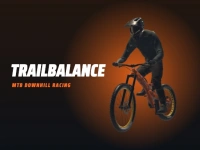
TrailBalance is a mountain bike race built around braking, traction and balance. Pick an early corner and watch the trail surface as you approach it. If roots or a change in slope come into view, give yourself time to decide how much speed to carry toward them. When the same corner comes around again, compare what happens if you begin braking a little earlier. You may find that you do less steering once the bike has settled. On technical courses, a clean exit can be useful even if the entry felt slower, because it gives you more room to prepare for whatever follows.
Check how growth changes a familiar route
In Panic Roll, you start small and grow by rolling over objects smaller than you. Take a moment to see which things you can collect at the start. A route through several little objects can change what you are able to pick up on the way back. Notice whether an approach that was easy when you were tiny still gives you enough room later. Instead of crossing the whole area for one large object, look for a nearby group that is already within reach. You can see how much that group changes your options before choosing where to roll next.
Prepare for the next bend while guiding the ring
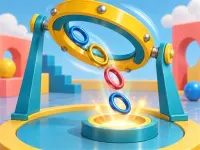
Off the Tracks asks you to rotate a course and keep a ring moving along it. Watch how much of a turn it takes to help the ring through the current section. A sharp correction can leave the track at an awkward angle when the ring reaches the next twist. Try following one difficult stretch a few times and pay attention to where you begin turning. If a smaller movement earlier in the approach gives you a steadier result, use that as your reference on the next run.
Move between these games when you want to compare different forms of control. A bike gives you a reason to think about grip at speed. A growing ball makes you look at the same space with a changing sense of scale. A ring puts your attention on the track itself. Choose a moment you can repeat, make a small change and observe the result before changing anything else. On a later attempt you can use that one observation to make a better decision elsewhere on the course.