Pixel Games
Read the action one pixel at a time
Pixel art can make a fast game easier to follow. A character’s outline tells you where a jump begins, a flash of green tells you when to tap, and a row of colored squares can reveal the edge of a picture. The games under this tag put those small details to different uses. In Mask of Six Moons, you follow a character through an action platformer. Netherton Volleyball asks you to focus on a brief timing cue. Pixel Feast gives you a picture to take apart at your own pace.
Notice what changes on the other side of a moon gate
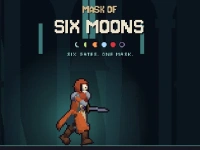
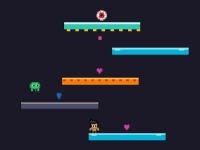
Mask of Six Moons uses moon gates, monsters and loot to give its platforming routes variety. When you enter a new area, look for where you can stand before trying to read everything on the screen. A ledge with a clear outline can give you time to see how the next part of the level is arranged. If you pick up a different weapon, try it somewhere you recognize so you can tell how it changes the character’s movement and timing. You can enjoy finding a rarer item while still keeping track of the route you were following before it appeared.
Find the green cue before trying for a faster point
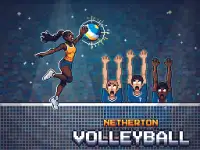
In Netherton Volleyball, you call the shots for a six-player side and tap when the timing cue turns green. Spend the first few exchanges watching where that cue appears. As the ball moves across the court, start shifting your attention to the cue early enough to see it change. If you keep tapping too soon, use a few points to learn the sequence even if the score suffers. Once you can recognize the change in color, look back at what the other team is doing. Learning the cue buys you time to read more of the rally.
Clear a part of the picture and look again
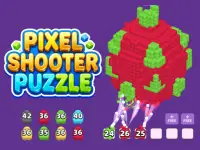
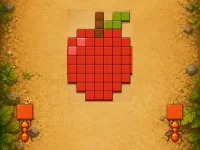
Pixel Feast builds each puzzle from colored pixels that you gradually remove. Look at the boundary of a color before tapping. A short row can blend into the picture until the blocks beside it are gone. You may find it easier to begin with a feature that has a distinctive outline, then return to an area where several colors look similar. Check the picture after a few moves and see which edges have become easier to pick out. The fun is in watching the artwork change as your attention moves from one part of it to another.
Choose a game based on the kind of visual detail you feel like noticing. A platformer keeps you looking for ledges and landmarks, while volleyball asks you to recognize a signal in the middle of a moving scene. A picture puzzle gives you time to compare colors and shapes between moves. Try a second round while you still remember which part of the screen helped you make the first decision. That detail can make even an unfamiliar stage easier to read.