Pomni Games
Work with color, silhouettes and quick comparisons
Pomni appears in games that use the same character in quite different ways. In a coloring page, the outline stays fixed while you decide what the colors should do. In a jigsaw, you use details of the picture to work out where each piece belongs. A faster matching game asks you to recognize what changed before the next image comes up. Choose by the time you want to spend looking at each decision. You can take a short break to try a few comparisons or stay with one image until you have a version you want to finish.
Give the costume one color that leads the rest
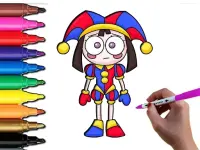
Pomni Coloring Time gives you outlines of the character to color. Pick one area that you would like someone to notice first and choose a color for it. Then look at the shapes around it. If they are all similarly bright, the first area can become harder to pick out. Try a quieter color on one side and see how the picture looks before filling the other side. You can also make two parts of the costume echo each other with the same tone. Compare the result with the blank outlines still visible elsewhere. That gives you a way to decide whether the drawing needs a new color or simply more of one you have already used.
Build around the details you can recognize at a glance
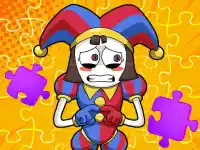
In The Amazing Digital Circus Jigsaw, you drag pieces into place to form scenes of Pomni and friends. Start with a detail that would be hard to confuse with anything else, such as the border where a character meets the background. See whether another piece continues that edge before trying to fill the whole area around it. Once a small section is together, look at the loose pieces again. A color that seemed too common to use as a clue can become useful once you know where it needs to meet the assembled picture. If you spend too long on the same gap, build a second recognizable section and come back to it later.
Look for one recognizable cue when the pace picks up
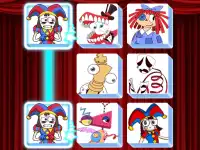
Giddy Pomni presents a quick matching challenge with a memory component. During the opening, give yourself time to see what the game wants you to compare. Pick one part of the image that helps you recognize it. On the next comparison, check that feature first and see whether another detail confirms what you saw. Trying to remember the whole picture can be harder than picking out the part that changes often. Play another round while that clue is still fresh and see whether it remains useful as the game gets faster.
Pick the game that matches the sort of attention you have available. A coloring page gives you time to try an idea and look at it again. A jigsaw lets you test where a detail belongs. A quick comparison gives you a reason to notice which feature you remember first. Each makes the character familiar in a different way.