Running Games
Read what the course wants from you while you run
A running game can change its demands without changing the direction you are going. A bridge asks you to fit through a gap. A keyboard highway asks you to build speed before you leave the ground. A dog on the loose has to stay ahead of its owner while the scenery changes. Watch for the point where the game gives you enough information to prepare for the next move. If you can recognize that point, you can spend less of the round correcting something you only noticed after it was already in front of you.
Change size before you reach the narrow part
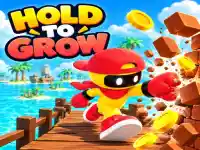
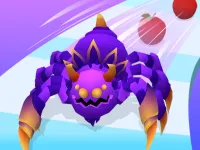
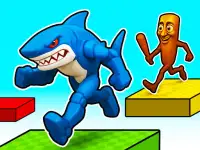
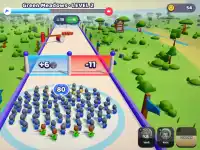
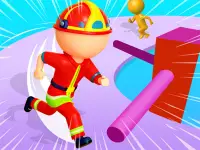
Hold to Grow is a runner on a wooden bridge. Hold the control to grow and release it to shrink. Before changing size, look at the shape of the obstacle and the amount of bridge left before you reach it. A quick release can look like enough until you see how far the runner travels while the size changes. On the first few gaps, try to notice which features give you time to prepare. Once you can read those features, see whether you can make the same change with less hesitation. The challenge is to use the simple control while keeping your attention on more than the object right in front of you.
Use the keyboard road to prepare for a flight
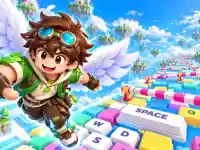
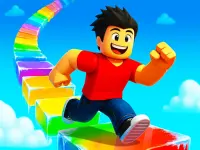
In 1% Wings Keyboard Speed, stepping on keys trains your speed before you jump, flap and glide toward a trophy pad. Pay attention to the difference between the part where you gain speed and the part where you try to stay in the air. A better run on the ground can change what you are able to do after takeoff. Follow one attempt all the way to the landing and remember which pad you reached. If you want a comparison, change how you use the opening stretch and see whether the new flight feels different. A single adjustment is easier to judge than trying a new beginning and a new approach in the air together.
Find a clear line through each place the dog visits
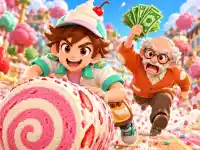
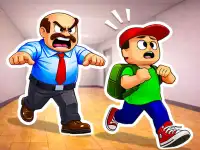
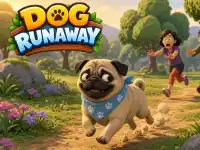
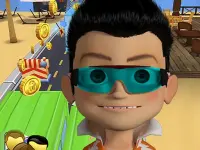
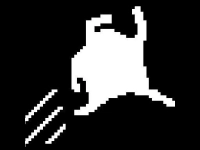
Dog Runaway starts with a slipped leash and an owner giving chase. It takes the dog through six worlds. As you enter a new setting, look for the first detail that tells you where the clear route is. The scenery may look unfamiliar while the movement still feels like the previous stretch. Give yourself time to recognize what has changed before making a large correction. If a part of the run becomes hard to read, remember the last moment when you still had room to choose a direction. Use that point to see what you might notice earlier next time.
Try a second game when you want to change the purpose of the run. One course makes you think about width, another builds toward a flight, and another keeps asking how quickly you can recognize new surroundings. The useful thing to carry between them is a habit of looking beyond the immediate obstacle.