Shoot Games
Read the arc, the painted floor or the next row
The Shoot tag includes games where sending something across the screen can serve very different purposes. A curved football shot can go around an obstacle. Paint can change which team controls an area of the floor. A volley of bouncing balls can clear space on a board before the next row arrives. Pick the result you want to see and work backward to the input that produces it. The most useful feedback usually comes after the release, when you can see whether the ball followed the arc you imagined or the paint reached the place you wanted.
Compare two approaches to the same free kick
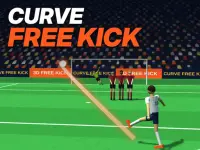
Curve Free Kick lets you position your player behind the ball and choose a run-up. Start with a modest angle and watch where the ball starts to curve. On the next attempt, move the starting position a little farther to one side while aiming for the same part of the goal. The change is easier to judge when your target stays fixed. See where the ball passes the obstacle and where it finishes, since an approach that clears the first part of the flight may still take it too far from the goal. If the game moves you to a different spot, use the first kick from there to find a new reference.
Use the floor to see which team is making progress
In Splash Rivals, two teams of four try to cover the arena in their color. Look at the ground when you reach an open area. A patch that already matches your team tells you something different from a strip that still offers room to paint. Follow the visual changes for a little while instead of paying attention only to the other players. If the pattern changes while you are elsewhere, return to see which edges have moved. This can make a busy match easier to follow and give you a smaller task to focus on while the rest of the team moves around the arena.
Make room for a useful bounce
Elemental Barrage sends monsters down a board in rows. Drag back, aim and release a volley of elemental balls that bounce around the layout. Before releasing, choose the first surface you want the balls to meet. If the front row is uneven, a gap may give the volley a way to reach farther into the board. Pay attention to where the balls return as well as where they first hit. On another round, aim at the same feature from a slightly different angle and compare how much of the board the volley reaches. The best route can change as the rows move closer.
Try a different game if you want a different kind of feedback. A free kick gives you a flight you can watch from start to finish. A paint match lets you read changes in the whole arena. A bouncing volley can show you how much one small change in angle affects the board. Spend the next round noticing that effect before deciding what to change again.