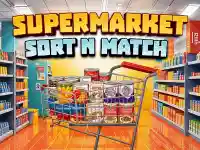
When you browse games tagged "Shopping," you'll find a variety of virtual stores and markets where players can buy and sell goods to earn points or advance through levels. These games often simulate real-world shopping experiences but add elements like puzzles, strategy, and interaction with other players.
Last Updated:
In choosing among different play styles, consider whether you prefer the simplicity of buying and selling items quickly or the complexity of managing a store. If you enjoy speed, look for games that emphasize fast transactions and quick decision-making, such as selecting the best deal from multiple options. Conversely, if you prefer strategy, seek out titles where managing inventory, setting prices, and dealing with customers are key components.
For a more immersive experience, try a game that offers customization of your character or store. This can make each session feel unique and engaging. Additionally, games that incorporate social features like trading with friends or competing in markets can add an extra layer of enjoyment. Always take note of the user interface; one that is intuitive will help you focus more on the gameplay rather than navigation.
In shopping games, pay attention to how items are categorized and priced. Games that use a logical categorization system make it easier to find what you need quickly, reducing frustration and increasing your efficiency in making purchases or sales. For instance, if you're managing a virtual grocery store, ensure the produce section is clearly separated from the dairy products.
Another aspect to consider is the availability of discounts and deals within the game. Some games offer time-limited promotions that can significantly impact your strategy. For example, if a rare item becomes available at a discounted price for only a few minutes each day, timing your purchases accordingly could be crucial. This adds an element of urgency and strategic planning to your gameplay.