Skill Games
Pick a skill you can practice in one round
Skill games give you a way to see whether a change in your approach made a difference. A hidden-object scene can show you how much faster you recognize a familiar outline. A sorting board rewards noticing a category before its cards are all visible. A twisting track asks you to make a turn at a moment you can learn to recognize. Choose one thing you would like to get better at. That gives the first round a purpose even if you do not finish it, and it makes the second round easier to compare with the first.
Give a hidden object a shape before you look for it
Hidden Shop Hunt shows objects on tiles and asks you to find them in colorful shop scenes. Spend a moment looking at one tile. Pick a part of the object you would recognize even if it were surrounded by other items. An unusual handle or an uneven edge can be a better clue than a color that appears in several places. Search one part of the shop and then move on if you are seeing the same things again. Change the detail you are looking for when the first one does not help. Finding an object becomes more satisfying when you can tell what made it stand out at last.
Check whether two cards belong together for the same reason
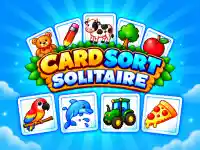
In Card Sort Solitaire, you match word and picture cards to categories. Start with a card whose subject is clear and look for a category it would naturally fit. Before using a less obvious card, see what other items the game has already given you. They may tell you how broad the category is meant to be. When you find two cards you are uncertain about, keep the distinction in mind and look for another clue elsewhere on the board. A choice can be easier to make once you see which category has room for a second example. Practice explaining one match to yourself before you try making the whole arrangement quickly.
Make the next turn while you can still see the track
Off the Tracks puts a moving ring on twisting tracks that you rotate. Watch the section the ring will reach next rather than waiting until it is at the opening. A turn that feels too sudden may be easier to control if you begin it a little sooner. On a repeat attempt, keep your attention on one bend and notice how much the track needs to move. After the ring passes it, look at the angle you have left for the next section. That gives you a better idea of why one correction works and another makes the rest of the route harder to follow.
After a break, return to the game with one detail to practice. You can look for a clearer outline in a shop, sort a card by the clue you missed, or prepare for a bend while the ring is still approaching it.