Simple Sorting Games
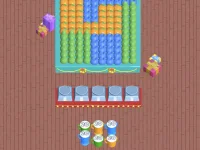
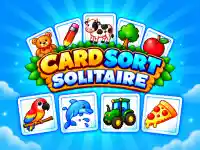
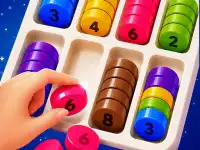
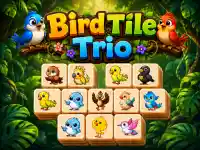
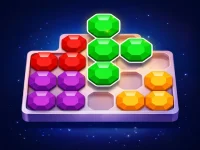
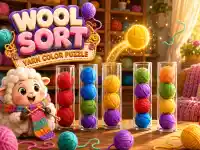
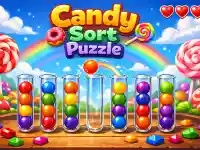
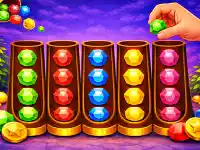
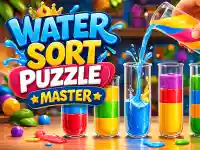
In these games, your task is straightforward: arrange items into predefined categories or order them by specific attributes. For example, you might need to sort fruits by color or numbers in ascending order. To choose a game, consider how many elements you have to manage and whether the sorting criteria change over time. A useful tip is to start with games that offer clear visual cues, such as different colored icons for categories.
Strategic Sorting Challenges
These games require more thought and planning. You might need to sort items in a way that maximizes points or solves puzzles. For instance, you could be asked to sort resources so that the most valuable are used first. When choosing, look at the complexity of the sorting logic and how it evolves. Try starting with levels where the criteria are clearly laid out, then move on to more complex scenarios.
Sorting in Real-Time
In real-time sorting games, you must quickly make decisions as elements move or change. These can be fast-paced and require quick reflexes and decision-making skills. Consider whether the game offers tutorials that walk you through basic strategies. A good approach is to start with slower-paced versions and gradually increase your speed.
By considering these factors, you can find a sorting game that suits your play style and challenge level.
Managing Sorting Dynamics
Sorting games often involve dynamic elements where items move or change in real-time. For example, you might need to sort falling blocks into the correct slots as they descend. To handle this, practice recognizing patterns quickly and making decisions based on limited information. A helpful strategy is to focus on the immediate surroundings and prioritize sorting those first.
Interactive Sorting with User Input
Some sorting games require direct user interaction, such as dragging and dropping items or swiping through them. These can be particularly engaging but also more challenging due to the need for precise movements. When playing these, use a mouse for accuracy in games that allow it, or practice your touch controls if they are necessary. Always start with basic interactions to get comfortable before moving on to more complex challenges.
Adapting to Dynamic Criteria
In some sorting games, criteria change mid-game, adding an extra layer of complexity. For instance, you might initially sort by color but later have to switch to size or shape. To adapt, keep a flexible mindset and be ready to reassess your strategy frequently. A good practice is to take breaks between levels if the transitions are particularly challenging, allowing for better mental processing before continuing.