Tetris Games
Block puzzles that change what it means to fit
A block can fit in the space you see and still leave the board in a difficult position. That is the pleasure of the Tetris tag on Pokio. Each placement gives you a new shape to work around. In this collection, that can mean finding room inside a shipping container, making a line from sand that has flowed away from its starting shape, or clearing a grid with candy pieces. Give yourself a moment to look at the empty space before choosing what to do with a piece. The board tells you which places are easy to reach now and which could become awkward after a single move.
Look at a load from more than one angle
Warehouse Tetris 3D gives you boxes, crates, barrels and other cargo to pack into trucks, warehouses and shipping containers. It helps to think about depth as soon as you pick up a piece. Two crates that seem to fit side by side from the front can leave a narrow gap behind them. Look at where the next piece could go once the current cargo is down. A large open area can be easier to work with than a collection of little gaps scattered around the load. When a container is almost full, check the edges and corners before giving up on a piece. It might have a place that was hard to see while the middle of the container was empty.
See where the color goes after a drop
In Sand Blocks, the shapes break into flowing sand after you drop them. A line clears when sand of the same color completes it across the grid. The next decision depends on where the grains settle, so take a moment to watch a drop before picking a spot for another piece. If you have a nearly continuous band of one color, look at the break in it. A drop nearby might feed grains into that opening as they slide down. A drop directly over the break could also cover a part of the board you still need. Watching several drops in the same area gives you a better feel for how much the color spreads and which gaps stay open.
Keep two ways to clear the candy grid
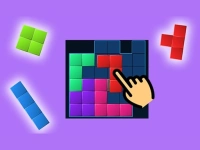
Sugar Drop uses candy blocks to fill rows and columns. When a line disappears, the free cells can make room for a piece you were struggling to place. Before setting a piece down, check whether part of it can help with a column while another part brings a row closer to completion. If every open space on the board is shaped the same way, a single awkward piece can turn into a problem. Leaving yourself a longer opening and a wider patch gives you a couple of ways to keep going. The most satisfying clear is sometimes the one that puts your next placement within reach.
Try cargo packing to think in three dimensions. Pick the sand board to watch colors move after each drop. Choose the candy grid when you want to plan across rows and columns at the same time.