Touchscreen Games
Choose a touchscreen game by the move you want to make
On a touchscreen, your finger is both the control and something that can block your view. A big tap target works well when you need to react quickly. A puzzle gives you room to pause and look between moves. A game about exposing a fossil can make you pay attention to the edge of a small detail. Before settling into a round, check the instructions and try the first move while watching the part of the screen that changes. If your hand covers it, see whether you can hold the device differently or use another part of the play area.
Uncover enough of a fossil to see its outline
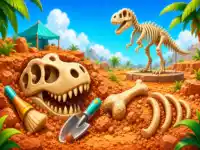
Dinosaur Dig takes you to sites where you uncover and clean fossil bones. Pick a small patch and see how the game responds to touching it. When part of a bone becomes visible, look at which edge disappears into the material around it. You can follow that edge instead of moving around the entire area without a target. Lift your finger between passes to see what you have uncovered. The gap between inputs gives you a better view of which part needs more work. On a later excavation, try beginning in a different spot and see how quickly you can recognize what you are looking at.
Look at the next obstacle while the orb is still on the ground
In NullPulse Runner, you guide a glowing orb through a neon course and jump past obstacles. Try a jump as soon as there is a clear stretch where you can see it from start to finish. Notice whether the part you need to watch stays visible when you make the input. On another attempt, use a particular edge or change in the track as a reminder to get ready. A recognizable cue is useful when obstacles arrive quickly. Once you know where to look, check whether a slightly later or earlier tap makes the landing easier to use for the following move.
Trace the route before covering the dots
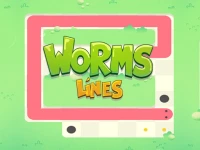
Worms Lines gives you levels with colored dots to collect as you cover the layout. Look for dots near the edges first. Think about how you could reach them and still continue toward the middle. If you are unsure where a path leads, look over the whole board while your hand is off the screen. Try deciding which place you want to reach before you attempt a long movement. The puzzle is easier to think about when you can see the remaining area without losing track of where your route began.
Use the first few minutes to judge whether a game fits the way you want to play. A fossil gives you a visible detail to work on, a runner rewards practice with one familiar cue, and a path puzzle lets you look over the scene before acting. Choose what you want to finish before your break ends. If you switch games, compare how much you can see at the moment you touch the screen.