Tower Defense Games
Make the most of the time between waves
Tower defense games let you see your decisions play out across several rounds. You pick a spot, add a unit or buy an upgrade, then watch the next group move through the level. What happens on the screen gives you a chance to judge the choice. A quiet stretch may show that a tower has little to do, while a busy stretch may tell you what you should look at during the next break. Start with one feature you can follow. By the time several parts of the board are active, you will have a reference for deciding what deserves your attention.
Follow one bend through an entire wave
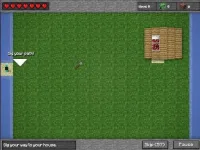
Royal Defense lets you choose tower spots and upgrade archers, mages, artillery and barracks. Look at the layout before buying several things at once. Pick a bend where you can watch both the road and the nearby tower positions. See what happens when the first group reaches it. If the group spends longer in one part than another, that gives you a useful observation to carry into the next build phase. Try a single upgrade and see whether the difference shows up where you expected. It is easier to learn what each option does when you can compare two waves without rebuilding the whole board in between.
Watch heat while the road fills up
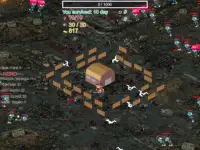
In Hot Barrel Cats, a fungus horde called the Mildews comes down the road toward a gate. The game puts heat alongside the other things you have to track. Watch what the heat display does during a short stretch of the first wave. The interesting part is how it changes between busy moments, so look at it after the first cluster rather than only at the start or at the end. Once you recognize what the display is showing, use another round to see how long you can keep the situation readable. The cat theme and the heat mechanic give this road a different rhythm from a game built mostly around placing towers.
Learn the layout in a space setting
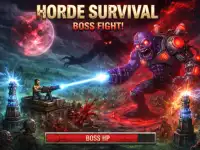
Space Defense Guard Heroes takes its defense challenge into a galaxy under attack. Use the opening to find the route the game wants you to follow and locate the information you will need between groups. If the scene becomes crowded before you have understood the whole layout, remember one area you can recognize at a glance. Follow what happens there for a few moments. When you have another chance to make a choice, use what you saw in that area to decide what to examine next. A familiar reference can help you learn more of the scene without having to watch every part at once.
Give the game enough time for at least one decision to carry over into another wave. You might see how a bend affects a tower, how a burst of heat changes the cats' rhythm, or how a space layout gives you a recognizable place to focus. Use that observation to plan the next round.