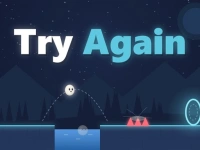
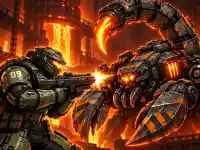
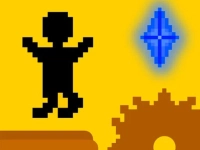
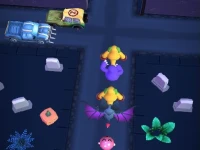
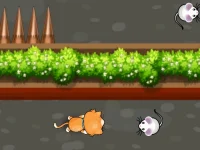
When you browse browser games with the "trap" tag, you'll find a variety of gameplay scenarios designed to challenge your reflexes and strategic thinking. These games typically revolve around avoiding or outsmarting obstacles that appear suddenly or change position unpredictably.
Last Updated:
Firstly, consider whether you prefer a more passive avoidance strategy or an active one. In games where traps are static but numerous, like moving spikes on a path, you might benefit from quick reflexes and fast reaction times. Conversely, in scenarios with fewer, more intelligent traps—like a maze with hidden booby-traps—you may find it better to plan your route carefully.
Secondly, think about the level of challenge you're seeking. Some games offer a wide range of difficulty settings, allowing you to adjust how frequently and how dangerous the traps are. If you want to improve your skills gradually, start with lower difficulties and increase as you get more comfortable. For those looking for a greater sense of achievement, higher difficulties can provide a tougher challenge.
Lastly, pay attention to any patterns or sequences in trap placement that might emerge over time. Noticing these can help you predict where traps are likely to appear next, giving you an advantage. Try using this knowledge on your next attempt to see if it improves your performance.
In games where traps are set by other players, such as those involving a minefield in a multiplayer environment, maintaining constant vigilance is crucial. Pay attention to the actions of others and their reactions; they might inadvertently provide clues about upcoming hazards or even set up traps intentionally.
Additionally, consider the timing of your movements relative to the trap's activation. In games where traps activate after a delay, like a delayed mine that triggers when you step on it, using a pause feature if available can be beneficial. Pausing allows you to carefully plan each move and avoid triggering the trap, making your actions more deliberate and effective.