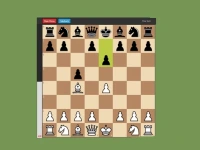
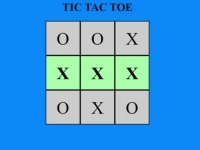
When you browse browser games under the "Turn Based" tag, you'll find a variety of strategies and plans unfolding at your own pace. This tag groups games where players take turns making moves, allowing for thoughtful planning before committing actions.
Last Updated:
First, consider whether you enjoy games that require quick thinking or those with more strategic depth. Fast-paced turn-based games might be ideal if you prefer rapid decision-making, while slower, thought-provoking games may suit a deeper strategy approach. For example, some games might offer immediate feedback on your choices, making it easier to adjust strategies quickly.
Next, think about the resources and goals of each game. Some turn-based games focus heavily on managing resources like health or mana, requiring careful allocation at every step. Others might prioritize resource collection or exploration over direct combat. Try focusing on a few key decisions in early turns; this can set you up for success later in the game.
Lastly, consider how you handle uncertainty and risk. Some turn-based games introduce elements of chance, such as dice rolls or card draws, which can affect your strategy. In these cases, it's useful to weigh potential outcomes carefully before making a move. Experiment with different approaches on subsequent turns; this can help you understand the game mechanics better and refine your tactics.
In turn-based games where actions are limited by turns, managing time effectively becomes crucial. For instance, if you're in a game where each player has only three moves per turn, prioritize your most impactful actions early to avoid wasting opportunities later on. Conversely, some games may offer multiple turns within the same round, allowing for more extensive planning. Here, it's wise to break down your strategy into smaller steps, executing one part of your plan before moving on to another.
Additionally, consider how you interact with other players in turn-based settings. In cooperative games, communication is key; coordinating moves can be as important as making the right individual choices. For example, if you're playing a game where players must work together to build structures or defeat a boss, agreeing on roles and responsibilities early can streamline your team's efforts. In competitive turn-based games, anticipate your opponent’s actions by predicting their likely strategies based on past turns; this foresight can help you counter their moves effectively while advancing your own goals.