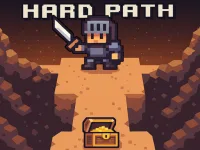
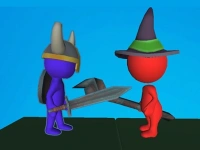
When you browse browser games under the "Warrior" tag, you're looking at a variety of combat-oriented adventures where your character is designed to engage in battles and overcome challenges through strength and skill. These games often focus on melee combat, allowing players to test their physical prowess.
Last Updated:
Firstly, consider whether you prefer real-time or turn-based gameplay. Real-time warriors require quick reflexes and strategic thinking as they face opponents continuously. Turn-based warriors, on the other hand, can carefully plan each move, making them ideal for those who enjoy tactical battles. Notice how different games handle combat mechanics; some might prioritize speed and agility, while others emphasize strength and endurance.
Secondly, evaluate your interest in solo or multiplayer modes. Solo play allows you to focus on improving your warrior skills independently, gradually overcoming increasingly difficult challenges. Multiplayer modes can be more social, where you team up with other players to tackle tougher enemies or participate in competitive battles. Pay attention to how game developers implement interaction between players; some might offer cooperative features like group quests, while others may include PvP (Player vs. Player) arenas.
Lastly, think about the type of environment and storyline that appeals to you. Some "Warrior" games set their scenes in fantasy lands with mythical creatures, while others take place in futuristic battlefields filled with advanced technology. Notice if the game provides a compelling narrative or if it focuses more on action-packed combat sequences. Try out a few different titles to see which style resonates most with your preferences.
Thirdly, assess how the game handles leveling and skill progression. Some warriors might gain experience points by defeating enemies, improving their stats over time. Others could have a skill tree where you allocate points to enhance specific abilities like melee attacks or defense. Notice if there are different classes of warriors with unique specializations, such as a berserker who deals high damage but has lower endurance compared to a tank who can absorb more hits.
Fourthly, consider the importance of gear and equipment in your playstyle. Some games might have a robust crafting system where you can customize your weapon and armor for optimal performance. Others may focus on collecting rare items that grant powerful bonuses or unique passive effects. Pay attention to how the game balances the acquisition of new gear with maintaining older, well-loved items.
Fifthly, explore the variety of enemies and challenges in the game. Some warriors might face a mix of easy foes for early-level practice and formidable bosses for late-game rewards. Others could encounter a wide array of unique monsters that each have distinct weaknesses or abilities. Notice how these challenges adapt to your level and whether they provide meaningful feedback on your strategy and skill.